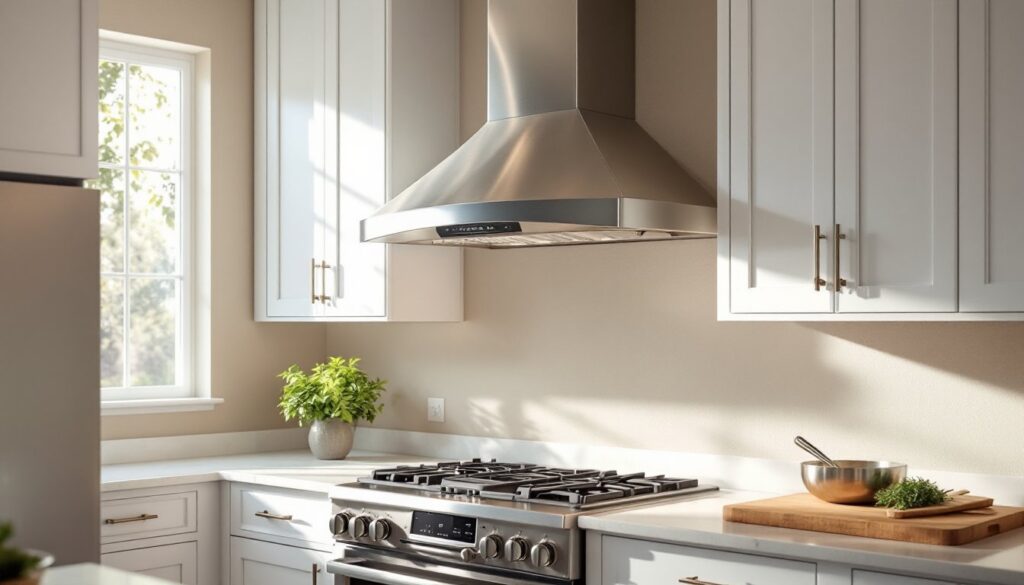
The line between architecture and interior design has never been blurrier, or more important. Your home’s bones (the walls, ceilings, and structural elements) directly shape what’s possible inside. A poorly proportioned room with mismatched materials will fight even the best furniture layout. Conversely, smart architectural choices like an open floor plan or vaulted ceiling can elevate a modestly decorated space into something special. In 2026, the strongest homes aren’t designed by choosing one discipline over the other. They’re built by understanding how architecture and interior design work together, and then applying those principles to your own DIY projects and renovation choices.
Table of Contents
ToggleKey Takeaways
- Architecture and interior design work together to create cohesive spaces; structural choices like ceiling height and window placement directly influence how you can design within them.
- Scale, proportion, and material continuity are core principles that bridge architecture and interior design—oversized furniture in small rooms feels cramped, while consistent wood tones and finishes throughout your home create visual flow.
- Lighting is the most underestimated tool for DIYers; layered lighting and architectural fixtures can highlight structural features and set different moods without expensive renovations.
- Paint, trim, and flooring updates offer the highest impact for your budget and can transform how your room’s proportions are perceived and how spaces connect to one another.
- Before any renovation, assess your room’s natural light, proportions, and traffic flow, then build your design choices around your home’s existing architectural strengths rather than against them.
- Small interventions like accent walls, hardware swaps, and decluttering reveal your space’s architectural bones and create a sophisticated, intentional feel at minimal cost.
Understanding The Connection Between Architecture And Interior Design
Architecture is the structural framework, the floor plan, ceiling height, window placement, and material palette that your contractor and builder determine. Interior design is what you do within and upon that framework, furniture, finishes, lighting, and decor that make the space livable and beautiful.
Here’s where they collide: a structural beam running through your ceiling becomes a design feature or an eyesore depending on how you frame or paint it. Load-bearing walls limit your open-concept dreams. A room with north-facing windows will always feel cooler and require different lighting design than a south-facing alternative.
DIY homeowners often overlook this connection because they’re either focused on the structure (hanging drywall, installing flooring) or the cosmetics (choosing paint colors, arranging furniture). But the best results come when both are considered together from the start. You might save time and money by choosing materials that work for both the architectural intent and your design aesthetic, rather than fighting against the building’s natural strengths.
When planning any room refresh or renovation, start by assessing what the architecture gives you, proportions, natural light, traffic flow, before deciding on design elements.
Key Design Principles That Bridge Both Disciplines
Several core principles apply whether you’re designing from scratch or updating an existing space. Scale and proportion is perhaps the most overlooked. Oversized furniture in a small room makes the space feel cramped: tiny furnishings in a large room feel lost. Your room’s architectural proportions (width-to-length ratio, ceiling height) should guide furniture selection and layout.
Continuity across spaces prevents jarring transitions. If your living room features exposed wood beams and warm earth tones, carrying those materials or a similar palette into adjacent spaces creates flow and sophistication. Abrupt shifts in color, material, or style break the visual thread that ties a home together.
design inspiration galleries to see how successful spaces balance these principles across room boundaries. Notice how ceilings, flooring materials, and color families often echo from one room into the next, even when each space serves a different purpose.
Color, Texture, and Material Harmony
Your material choices carry architectural weight. A matte-finished wall paint reads differently than a satin or gloss, the sheen affects how light reflects and how the space feels spatially. Textured finishes (shiplap, brick, plaster) add depth and visual interest but also influence acoustics and light absorption.
When selecting paint, finishes, flooring, or wall coverings, consider how they interact with your room’s natural and artificial lighting. A cool gray that looks stunning in a brightly lit showroom may feel flat and cold in a north-facing bedroom. Test samples on your actual walls over several days and lighting conditions.
Material consistency matters too. Mixing five different wood tones throughout a small home creates chaos: establishing a primary wood species (or going with darker versus lighter finishes intentionally) keeps the eye calm and spaces feel connected. This architectural principle, using a limited material palette, applies whether you’re selecting flooring, cabinetry, or trim.
Creating Flow From Room To Room
Architectural flow refers to how spaces connect and transition. Open-concept layouts eliminate walls but require careful design thinking to define zones. A kitchen that flows into a living area needs visual anchors, a change in ceiling height, a shift in flooring material, or a color accent, to signal “you’ve entered a different area” without slamming a door.
Doorways, hallways, and sight lines are structural realities that interior design must accommodate. Stand at key vantage points in your home (kitchen entrance, top of stairs, bedroom doorway) and notice what you see when you first enter or look ahead. That “first impression” view is prime real estate for intentional design. A well-placed mirror, artwork, or architectural detail can draw the eye and guide movement through your home naturally.
If you’re planning a renovation, consider how materials transition between rooms. Abrupt changes, say, tile to carpet to hardwood, jar the eye. Gradual transitions (perhaps hardwood flowing into tile with a threshold, then tile into a complementary carpet) feel intentional and cohesive. Even paint color can create flow: moving one shade lighter or darker as you progress through a home creates subtle rhythm.
Layout furniture to support traffic patterns. Heavy pieces shouldn’t block natural pathways, and seating should encourage conversation and face the room’s focal point. This is where architectural elements (a fireplace, window, architectural feature) and interior design (furniture arrangement, focal point selection) work hand-in-hand.
Practical Design Solutions For DIY Homeowners
Not every home project requires hiring an architect or designer. Many changes, paint, flooring, lighting upgrades, are well within DIY reach and can significantly affect how your home feels architecturally.
Lighting is often the most underestimated tool. Recessed ceiling lights work with your room’s overhead plane: wall sconces add warmth and architectural shadow. Layered lighting (overhead, task, accent) lets you set different moods and highlight architectural features. If rewiring is required, that’s a job for a licensed electrician in most jurisdictions, but selecting fixture styles and placement is all you.
Trim and molding are affordable ways to add architectural character. Crown molding adds visual weight and sophistication to a ceiling line. Baseboards ground a room and define the wall-to-floor transition. These elements influence how the eye perceives room proportions, and many are straightforward to install with basic carpentry skills and a miter saw for angled cuts.
Consider architectural digest’s luxury design approach to understand how high-end homes use built-in shelving, statement walls, and custom millwork to marry structure and decor. You don’t need a six-figure budget to apply the principles: a simple built-in bookcase or floating shelves create architectural interest and functional storage.
Accent walls (painted or wallpapered) define a focal point and add depth without structural changes. A darker, textured, or patterned wall draws the eye and makes a room feel intentional. Use this sparingly, one accent wall per room is typically strongest.
Before starting any project, measure twice, test finishes in your actual space, and be honest about your skill level. If the project touches electrical systems, structural walls, or requires permits (which varies by local code), bring in a professional.
Enhancing Your Space On A Budget
Creating architectural cohesion doesn’t demand expensive renovations. Small interventions compound when applied thoughtfully.
Paint is your lowest-cost, highest-impact tool. A fresh coat updates both the room’s feel and its perceived proportions. Light colors open small spaces: warm tones make large, cold rooms cozier. Primer-and-paint products in one cut prep time, and most DIYers can handle a basic interior paint job with rollers and brushes. Allow proper drying time between coats and acclimate paint to room temperature before opening.
Flooring updates don’t always mean full replacement. Refinishing hardwoods, installing durable luxury vinyl plank (LVP) over existing floors, or adding area rugs visually divide spaces and soften hard surfaces. Vinyl plank is forgiving for DIY installation if subfloors are level and clean, proper underlayment prevents moisture issues and reduces noise.
Hardware and fixtures have outsized visual impact. Replacing cabinet knobs, door handles, and light switch covers with cohesive metals (brushed nickel, matte black, brass) creates a collected, intentional feel. These changes are quick wins requiring only a screwdriver.
Decluttering and styling cost nothing but time. Removing visual clutter actually reveals your home’s architectural strengths, clean lines, proportions, and spatial flow become apparent once surfaces are cleared. Group books by color on shelves, display plants strategically, and let negative space breathe.
contemporary design platforms to study how successful small spaces maximize visual impact through material choices, lighting, and thoughtful editing, not square footage or budget. Notice how restraint and intentionality read as expensive and sophisticated, even in modestly-priced homes.
Conclusion
Modern homes thrive when architecture and interior design speak the same language. Your home’s structural framework is fixed (mostly), but understanding how it shapes your space unlocks smarter design choices. Start by observing proportions, light, and material opportunities already present. Build your design around them rather than against them. With intentional material choices, thoughtful color palettes, and strategic updates, even modest DIY projects can create spaces that feel cohesive, sophisticated, and genuinely yours.