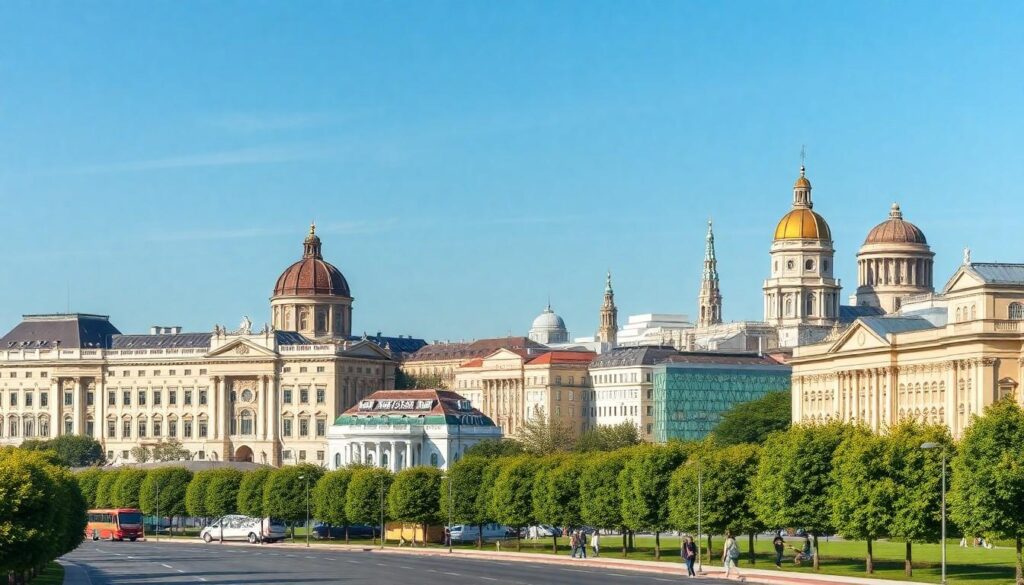
Vienna’s architecture is a feast for the eyes, blending history and innovation in a way that leaves visitors both awestruck and slightly confused. From the opulent Baroque palaces to the sleek lines of modern design, this city offers a visual buffet that satisfies every architectural craving. It’s like walking through a living museum where each building has a story to tell—some more dramatic than a soap opera.
Overview of Vienna Architecture
Vienna’s architecture reflects a rich historical narrative. Baroque buildings dominate the cityscape, showcasing intricate designs and dramatic facades. The Schönbrunn Palace, with its opulent rooms and manicured gardens, represents the height of Baroque grandeur.
Modern structures also play a significant role in Vienna’s architectural diversity. The Vienna University of Economics and Business, designed by Zaha Hadid, stands out with its innovative shape and functionality. This blend of the old and the new creates a dynamic urban environment.
Renaissance influences are evident in structures like the State Opera House. Gothic elements appear in St. Stephen’s Cathedral, which boasts a stunning roof adorned with colorful tiles. Each style contributes to Vienna’s unique architectural tapestry.
Art Nouveau emerged prominently in the early 20th century, exemplified by the work of Otto Wagner. His designs, such as the Vienna Stadtbahn stations, combine aesthetics with practicality, transforming urban spaces. These artistic choices defined an era and laid groundwork for future developments.
Contemporary architecture in Vienna continues to enhance the city’s character. Projects such as the Gasometer and the Haus der Musik demonstrate innovative use of space and sustainability. Each of these examples represents current trends while respecting the city’s historical context.
The architectural landscape of Vienna not only serves functional purposes but also tells a visual story of cultural evolution. Walking through the city invites observers to appreciate the layers of history embedded in every structure. Each building embodies a memory, contributing to the essence of Vienna as a vibrant cultural hub.
Historical Influences
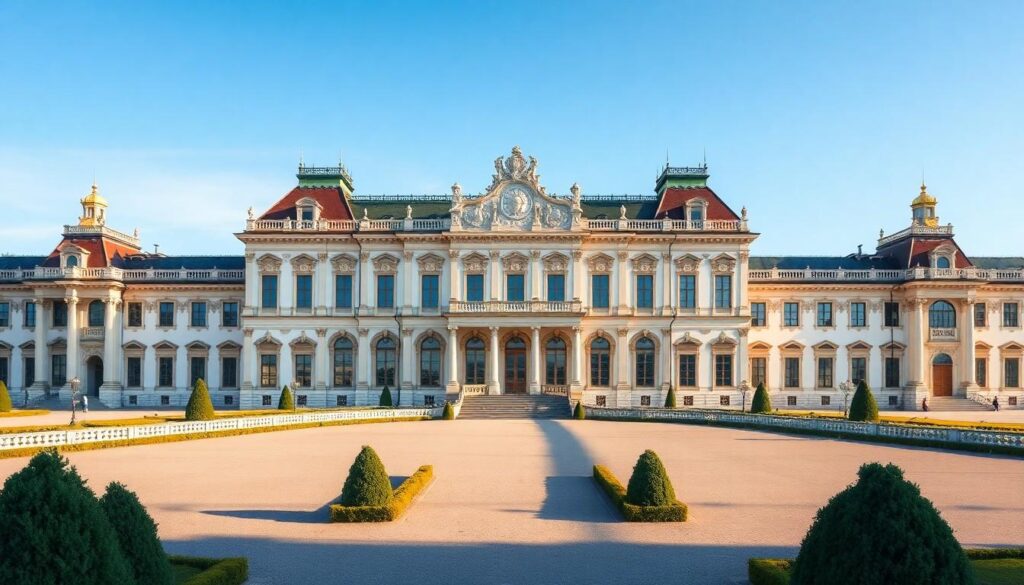
Vienna’s architecture showcases a rich tapestry of historical influences that shape its stunning landscape. Key periods have left lasting marks, creating a unique architectural identity.
Baroque Period
The Baroque period significantly impacted Vienna’s architectural style. Grandiosity defines this era, with opulent buildings like Schönbrunn Palace captivating visitors. Architects emphasized symmetry, bold forms, and elaborate details. Light and dark contrast draws attention to intricate facades and lavish interiors. Numerous churches, such as St. Charles Church, exemplify Baroque elegance with their intricate dome structures. These architectural masterpieces not only reflect the political and religious aspirations of the time but also highlight the craftsmanship of Baroque artisans.
Secessionist Movement
The Secessionist movement emerged in the late 19th century, representing a departure from historical styles. Artists and architects sought to break free from tradition. Iconic structures like the Vienna Secession Building exemplify this shift, featuring geometric shapes and innovative use of materials. The golden dome stands as a hallmark of this era, symbolizing artistic freedom. Pioneers like Otto Wagner infused modernity into urban planning, influencing both aesthetics and functional design. This movement laid the groundwork for future architectural endeavors, embracing creativity and individuality within Vienna’s fabric.
Iconic Buildings
Vienna’s architectural heritage includes several iconic structures that represent the city’s rich history and artistic innovation.
St. Stephen’s Cathedral
St. Stephen’s Cathedral stands as a masterpiece of Gothic architecture. Completed in the 12th century, it features a stunning patterned roof and soaring spires that dominate the skyline. The intricate carvings and lavish details showcase the craftsmanship of that era. Inside, visitors find an impressive altar and a massive organ, highlighting the cathedral’s musical significance. It serves as a prominent symbol of Vienna, attracting millions annually who come to admire its beauty and history.
The Vienna State Opera
The Vienna State Opera impresses with its grandeur and cultural significance. Established in 1869, this Neoclassical building is renowned for exceptional acoustics and elaborate performances. Its opulent interiors boast elaborate frescoes and magnificent chandeliers. Home to numerous world premieres, the opera house reflects Vienna’s rich musical heritage. Guided tours provide insights into its history, architecture, and behind-the-scenes operations, making it a must-visit for music enthusiasts and architecture lovers alike.
Modern Contributions
Modern architecture in Vienna exemplifies the city’s dynamic evolution. Through innovative designs and sustainable practices, contemporary architects enhance the architectural landscape.
Contemporary Architects
Several contemporary architects shape Vienna’s modern skyline. Zaha Hadid’s Vienna University of Economics and Business showcases fluid forms and striking geometry, pushing conventional boundaries. Hans-Hollein’s work, known for integrating art and architecture, emphasizes unique artistic expression. These architects embrace individuality while enhancing Vienna’s rich historical narrative, ensuring that modern structures reflect both creativity and context. Each new design contributes to the ongoing conversation between the past and present, enriching the city’s evolving identity.
Sustainable Design
Sustainable design plays a crucial role in modern Vienna architecture. Projects like the Gasometer illustrate innovative reuse of historical structures, combining environmental consciousness with modern function. These developments aim for energy efficiency, emphasizing green roofs and renewable materials. Urban strategies incorporate public transportation access, reducing reliance on cars. Architects prioritize sustainability, ensuring that their contributions positively impact both the environment and the community. Contemporary designs combine aesthetics and eco-friendliness, embodying Vienna’s commitment to a sustainable future.
Vienna’s architectural landscape is a testament to its rich cultural heritage and innovative spirit. The seamless blend of historical grandeur and contemporary design creates a unique visual narrative that captivates all who wander its streets. Each building stands as a monument to the city’s evolution, showcasing the artistic movements that have shaped its identity over centuries.
As Vienna continues to embrace modernity while honoring its past, it remains a vibrant hub for architecture enthusiasts. The city’s commitment to sustainability and creativity ensures that its architectural journey will evolve, inviting future generations to explore and appreciate the stories embedded in its structures.