Italy’s architecture is like a fine wine—rich, complex, and guaranteed to make you swoon. From the ancient ruins of Rome to the elegant palazzos of Venice, every corner of this stunning country tells a story. Whether you’re a history buff or just someone who appreciates a good Instagram backdrop, Italy’s architectural wonders offer a feast for the eyes.
But it’s not just about pretty facades and grand designs. The architecture here reflects centuries of culture, innovation, and a sprinkle of Italian flair. Ever wondered how a country can make a building look like a work of art? Spoiler alert: it involves a lot of creativity, passion, and maybe a dash of gelato. Dive into the world of Italian architecture, where every structure is a testament to the country’s vibrant history and artistic spirit.
Overview of Architecture in Italy
Italy showcases a diverse array of architectural styles that span centuries. Romanesque buildings emphasize solid structures, while Gothic designs focus on verticality and light. Renaissance architecture highlights balance and symmetry, often featuring domes and grand facades.
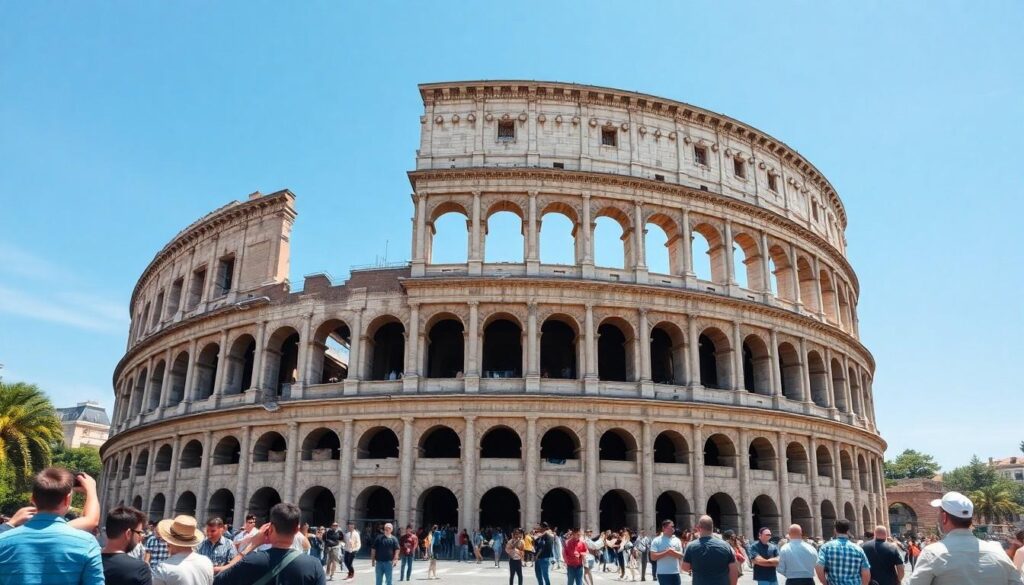
Ancient Roman structures, such as the Colosseum and Pantheon, reflect engineering prowess and cultural significance. The Colosseum, completed in 80 AD, demonstrates advanced concrete use and could hold over 50,000 spectators. Similarly, the Pantheon, with its massive dome and oculus, stands as an enduring symbol of ancient innovation.
Venetian palazzos display opulence through intricately detailed facades. Structures like Ca’ d’Oro illustrate the unique blend of Byzantine and Gothic influences unique to Venice. These buildings not only offer visual appeal but also function as historical markers of the city’s mercantile past.
Baroque architecture in Italy introduces grandeur and drama. Notable examples include St. Peter’s Basilica and the Royal Palace of Caserta, which combine ornamentation with dynamic spaces. These works exemplify the artistic fervor of the 17th century, captivating observers with their elaborate details.
Modern architecture also plays a role in Italy’s architectural narrative. Contemporary structures like the MAXXI Museum in Rome juxtapose traditional styles with innovative design. Designed by Zaha Hadid, this museum captures the essence of modern artistry while honoring Italy’s rich architectural legacy.
Architectural preservation efforts maintain Italy’s historical structures. Organizations work to restore and protect buildings, ensuring future generations appreciate their cultural value. These measures foster a connection between Italy’s past and present, reinforcing the country’s status as a center of architectural excellence.
Historical Influences on Italian Architecture
Italy’s architecture showcases a multitude of historical influences that shaped its unique character. Various periods contributed significantly to the evolution of architectural styles and techniques across the country.
Ancient Roman Architecture
Ancient Roman architecture stands as a testament to engineering innovation and cultural identity. Structures like the Colosseum and the Pantheon exemplify the mastery of arches, vaults, and concrete. Romans introduced elements such as forums and basilicas, which became foundational in city planning. The use of columns is prominent, reflecting Greek inspirations while adding a distinct Roman flair. Aqueducts also illustrate their practical design, providing water to urban centers. These architectural achievements laid groundwork for future styles and influenced countless generations.
Renaissance Masterpieces
Renaissance masterpieces emerged as a response to classical antiquity, emphasizing symmetry and proportion. Architects like Filippo Brunelleschi pioneered innovations, notably the dome of Florence Cathedral, which showcases advanced engineering techniques. Sculptural details and frescoes adorned many structures, blending artistic expression with architectural design. The influence of humanism fostered a renewed appreciation for individualism and beauty in buildings. Palazzo Medici in Florence serves as an example of opulent residential architecture that inspired later designs. Each masterpiece illustrates a cultural rebirth, reflecting advancements in art and philosophy during this vibrant period.
Regional Variations in Italian Architecture
Italy’s architectural diversity reflects its rich history and varied cultural influences across regions.
Northern Italy
Architectural styles in Northern Italy reveal strong Austrian and German influences. Cities like Milan and Turin feature elegant neoclassical and Baroque structures. The iconic Duomo di Milano serves as an example of intricate Gothic design, showcasing elaborate spires. Venetian architecture stands out with its canals and grand palazzos, highlighting the power of trade in the region. The unique blending of styles in this area illustrates an evolution driven by cultural exchanges.
Southern Italy
Southern Italy’s architecture exhibits a distinct Mediterranean flair. Influences from Greek, Arab, and Norman cultures create a unique aesthetic. The ancient ruins of Pompeii display Roman urban planning and residential architecture. Baroque churches in cities like Lecce shine with intricate façades and lavish interiors. The whitewashed buildings of the Amalfi Coast feature vaulted ceilings and terracotta tiles, embodying the region’s charm. Each structure tells a story of cultural convergence and adaptation.
Iconic Architectural Landmarks
Italy boasts numerous iconic architectural landmarks that showcase its artistic heritage. Each structure highlights unique historical and cultural aspects.
The Colosseum
The Colosseum remains one of the most remarkable symbols of Ancient Rome. This massive amphitheater, constructed between 70 and 80 AD, could seat over 50,000 spectators. Its design reflects innovation in Roman engineering, featuring a complex system of vaults and arches. Gladiatorial contests and public spectacles once took place within its walls, drawing crowds from across the empire. Today, it stands as a UNESCO World Heritage Site, attracting millions of visitors annually. Ongoing preservation efforts ensure that this ancient marvel endures, allowing future generations to marvel at its grandeur and historical significance.
The Leaning Tower of Pisa
The Leaning Tower of Pisa captivates visitors with its unintended tilt. Construction began in 1173, and the structure took nearly 200 years to complete due to various interruptions. The tower’s unique design combines Romanesque and Gothic elements, showcasing intricate archways and decorative columns. Its lean results from unstable foundation soil, making it a true architectural anomaly. Tourists flock to Pisa for the chance to ascend its 294 steps, experiencing spectacular views from the summit. Preservation efforts have stabilized the tower, allowing it to remain an enduring symbol of Italian ingenuity and charm.
Modern Trends in Italian Architecture
Contemporary Italian architecture showcases a blend of innovation and tradition. Architects increasingly incorporate sustainable design practices, addressing environmental concerns while maintaining aesthetic appeal. Structures utilize eco-friendly materials and green technologies, reflecting Italy’s commitment to sustainability.
Examples of this trend include the Bosco Verticale in Milan. This residential complex features vertical gardens that improve air quality and enhance urban biodiversity. Similarly, the MAXXI Museum in Rome stands out with its fluid forms and dynamic spaces, embodying modern artistic expression.
Urban regeneration plays a significant role in current architectural practices. Italian cities like Turin prioritize revitalizing neglected areas, transforming them into vibrant public spaces. These projects foster community engagement and encourage cultural exchanges, promoting enrichment.
Another trend involves integrating technology into architectural designs. Smart buildings equipped with automated systems enhance energy efficiency and user convenience. Italian architects embrace digital tools for design and construction, streamlining processes and facilitating innovation in form and function.
Cultural heritage influences modern designs, preserving the essence of Italy’s architectural legacy. Contemporary structures often pay homage to local traditions while offering fresh perspectives. Examples abound, with projects in Florence blending old and new, showcasing how history informs modernity.
Public spaces receive increasing attention as Italian architecture evolves. Developers focus on creating accessible and inclusive areas that foster social interactions. Parks, plazas, and pedestrian-friendly streets enhance urban life as architects prioritize human-centered design.
Overall, modern trends in Italian architecture highlight a balance between sustainability, innovation, and cultural reverence. This approach ensures that Italian architecture continues evolving while remaining rooted in its rich historical context.
Italy’s architectural landscape is a testament to its enduring legacy and vibrant culture. Each structure serves as a narrative of the country’s historical evolution and artistic expression. From the grandeur of ancient ruins to the sleek lines of modern designs, Italy continues to inspire admiration and exploration.
The commitment to preserving these architectural treasures ensures that future generations will appreciate the stories embedded within each building. As Italy embraces innovation while honoring its rich past, the architectural journey remains a captivating experience for all who seek to discover the heart of this remarkable nation.