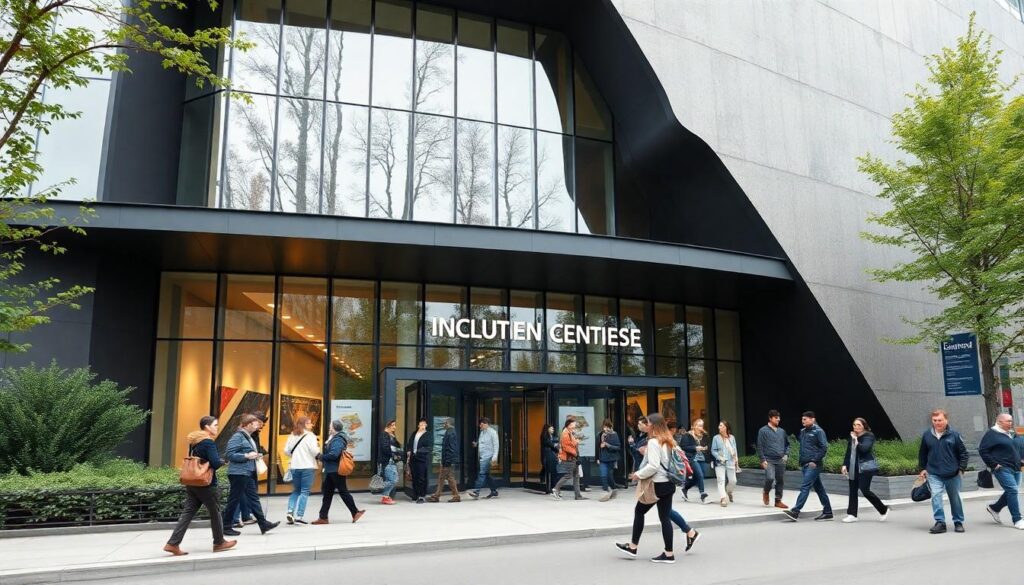
Nestled in the heart of Montreal, the Canadian Center for Architecture is more than just a museum; it’s a playground for design enthusiasts and architecture aficionados alike. Imagine stepping into a world where the walls tell stories and every corner sparks inspiration. This isn’t your average gallery—it’s a vibrant hub that celebrates the art of building in all its forms.
Overview of the Canadian Center for Architecture
The Canadian Center for Architecture (CCA) stands as a prominent institution in Montreal dedicated to the exploration of architecture and its broader context. Established in 1979, the CCA serves not only as a museum but also as a research center, fostering discussions on architecture and urbanism. Its innovative approach intertwines exhibitions, educational programs, and public events, creating a dynamic environment for all visitors.
Architect Phyllis Lambert founded the center to promote a deeper understanding of architecture’s role in society. It features a vast collection of over 100,000 architectural works, including drawings, models, photographs, and publications, making it a vital resource for architects, researchers, and students. The collections cover various periods and styles, showcasing both historical and contemporary architecture.
Visitors experience interactive exhibits that invite them to engage with architectural concepts in stimulating ways. Monthly lectures and workshops enrich community participation, helping people connect with the significance of design. As a research hub, the CCA collaborates with local and international organizations to explore pressing architectural issues.
The CCA also hosts notable programs such as the CCA Archive, which preserves essential architectural documentation. Through this initiative, it offers online access to a wealth of resources, ensuring wide availability of knowledge. Additionally, the center’s outdoor spaces contribute to its mission by providing a setting for cultural activities and public events.
Montreal’s vibrant context enhances the CCA’s unique offerings. With its diverse architecture and cultural landscape, the city complements the center’s commitment to fostering conversations about the built environment. The CCA stands as a vital institution for anyone passionate about architecture, serving as a meeting point between the past, present, and future of design.
History and Establishment
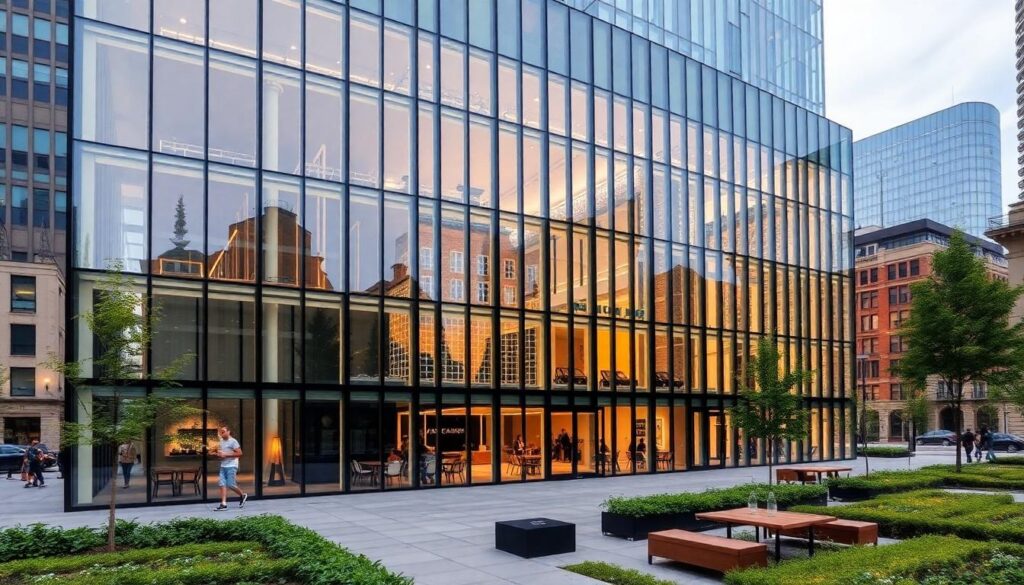
The Canadian Center for Architecture (CCA) began its journey in 1979 in Montreal. Its creation marked a significant advancement in the understanding of architecture and urban planning.
Founding Vision
Phyllis Lambert envisioned a space blending architectural exhibitions and research. Her aim focused on exploring architecture’s role in society. The CCA sought to make architecture approachable, showcasing its impact on everyday life. This vision propelled the center to produce stimulating programs and discussions, attracting diverse audiences. Architects, researchers, and students find the environment inspiring, fostering a sense of community and collaboration.
Key Milestones
Several critical milestones shaped the CCA’s development. In 1989, it opened the “Architecture and Its Photography” exhibit, highlighting photography’s role in architecture. The establishment of the CCA Archive in 1998 expanded access to invaluable resources. In 2002, the center launched the “Architectural Research Forum,” focusing on pressing architectural issues. Each initiative enriched the CCA’s mission, facilitating international dialogues on architecture’s evolving nature. By emphasizing innovation and education, the center cemented its status as a leading institution in the architectural realm.
Architectural Significance
The Canadian Center for Architecture holds a crucial position in the architectural landscape. It serves as a platform for significant discussions about design and its societal implications.
Notable Exhibitions
“Architecture and Its Photography,” first showcased in 1989, transformed perceptions of architectural documentation. This groundbreaking exhibit explored the interplay between architecture and its visual representation. In 2010, the center presented “The Gardens of the Future,” an exhibition that examined innovative landscape designs. Furthermore, “The Other Architect” displayed alternative architectural practices, highlighting underrepresented voices in the field. Each of these exhibitions contributed to the center’s reputation as a thought leader in contemporary architecture.
Impact on Canadian Architecture
The CCA influences Canadian architecture by fostering dialogue among architects, students, and the public. It offers a variety of programs, enabling architects to present their work and share insights. Educational initiatives also inform the next generation about architectural trends and history. The center’s archival resources empower researchers with access to extensive architectural documentation. Its role as a cultural hub enhances the public’s understanding of architecture’s relevance. By hosting discussions and debates, the CCA shapes the future of architectural practice in Canada.
Educational Programs and Resources
The Canadian Center for Architecture (CCA) offers diverse educational programs and resources that enrich the understanding of architecture and its significance.
Workshops and Lectures
Workshops and lectures provide excellent opportunities for interaction and learning. Monthly public lectures feature prominent architects and thinkers discussing contemporary architectural issues. Workshops target various audiences, offering hands-on experiences that deepen knowledge of design processes. Programs expand horizons by encouraging participants to explore innovative solutions and critical thinking in architecture. Engaging discussions foster community involvement and stimulate interest in the built environment. Each session enhances appreciation for architectural practices while connecting individuals with experts in the field.
Research Initiatives
Research initiatives at the CCA promote exploration of architecture’s complex role in society. Academic partnerships support collaborative investigations into architectural history and contemporary practices. The CCA Archive serves as a core resource, providing access to essential documentation and a digital library of materials. Researchers benefit from a wealth of primary sources that inform their work. Initiatives engage the public in architectural dialogues and promote scholarly discussions through various platforms. The CCA’s commitment to research enhances the understanding of architecture’s impact on communities and culture.
Visitor Experience
The Canadian Center for Architecture provides an engaging experience for all visitors. It prioritizes accessibility and comfort, ensuring everyone can explore its offerings.
Facilities and Accessibility
Accessible facilities enhance the visitor experience at the CCA. Visitors can find ramps, elevators, and wheelchair rentals available throughout the building. Restrooms equipped with accessible features ensure comfort for all. The center also provides seating areas for relaxation and discussion. Smart displays and clear signage guide guests through exhibitions, making navigation straightforward. Additionally, parking accommodations are available for those with disabilities, further promoting inclusivity.
Guided Tours and Events
Guided tours offer insight into the CCA’s extensive collections and exhibitions. Knowledgeable guides share stories and context behind architectural works during these tours, enriching visitors’ understanding. The center hosts special events, including workshops and lectures, encouraging community participation and dialogue about design. Monthly lectures feature influential architects, providing a platform for discussion on contemporary architectural topics. Unique events like film screenings and panel discussions foster engagement with diverse aspects of architecture, making each visit an enriching experience.
The Canadian Center for Architecture stands as a beacon for those intrigued by the interplay of design and society. Its unique blend of exhibitions and educational programs invites visitors to engage deeply with architectural discourse. By fostering community participation and offering extensive resources, the CCA not only preserves architectural history but also shapes its future. As a dynamic hub in Montreal, it continues to inspire architects, students, and the public alike, ensuring that architecture remains a vital part of cultural conversations. The CCA’s commitment to accessibility further enhances its role as an inclusive space for exploration and learning.