Scottish architecture isn’t just about stone and mortar; it’s a captivating journey through time that’ll have you questioning if you’re in a fairytale or a history book. From the iconic castles that seem to sprout from the mist to the vibrant tenements of Edinburgh, every structure has a story to tell. It’s like the buildings are in a constant competition to outshine each other, and trust us, they’re doing a fantastic job.
Imagine wandering through streets where Gothic spires poke the sky and modern designs challenge tradition. Scottish architecture blends the old with the new, creating an eclectic mix that’s both charming and awe-inspiring. So grab your walking shoes and prepare for a delightful exploration of a landscape where every corner reveals a masterpiece. Who knew history could be this much fun?
Overview of Scottish Architecture
Scottish architecture boasts a diverse array of styles that reflect its rich history. From medieval castles to contemporary buildings, each era contributes distinct characteristics. Gothic elements dominate many ancient structures, showcasing pointed arches and intricate stonework. Notable examples include Edinburgh’s St. Giles’ Cathedral, renowned for its stunning nave and vibrant stained glass.
Castles, such as Eilean Donan and Stirling, symbolize Scotland’s feudal past, commanding attention with their strategic placements. They not only served defensive purposes but also communicated power and prestige. On the other hand, tenements in urban areas like Glasgow exhibit Victorian influences, characterized by red sandstone facades and large windows. Such buildings demonstrate adaptability to the social changes of the Industrial Revolution.
Modern architecture introduces innovative designs while maintaining harmony with historical elements. The Scottish Parliament Building in Edinburgh reflects this blend, featuring a unique organic design that aligns with its surroundings. Sustainability plays an important role in recent architectural projects, highlighting Scotland’s commitment to eco-friendly solutions.
Public spaces also illustrate the evolving architectural landscape. Parks, squares, and waterfront developments create a vital connection between nature and urban life. Notably, the regeneration of areas like Leith Waterfront enhances community interaction while preserving cultural identity.
Exploring the tapestry of Scottish architecture reveals how structures embody stories and aspirations. Each building represents a chapter in Scotland’s narrative, inviting a deeper appreciation of its heritage.
Historical Influences
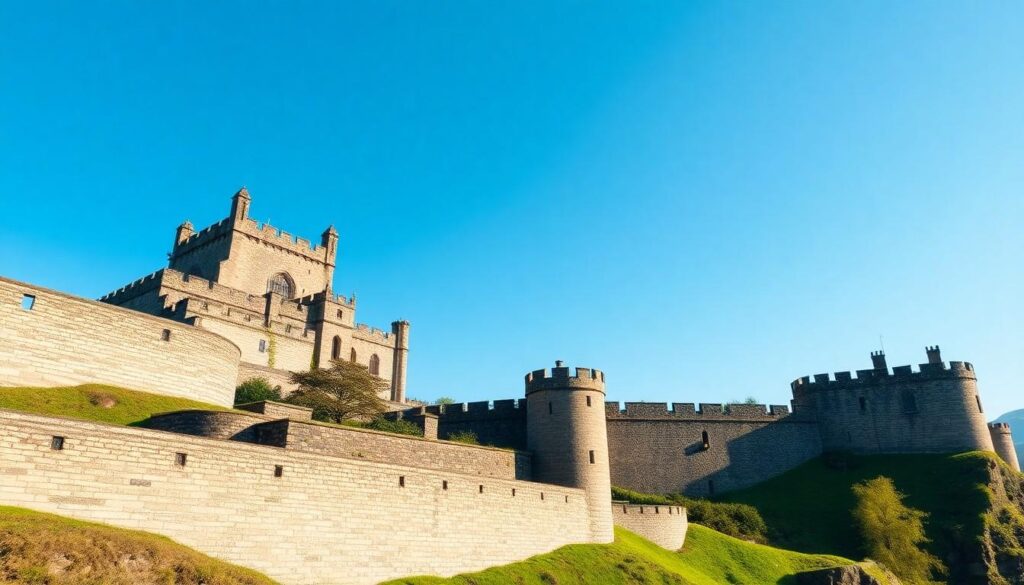
Scottish architecture flourishes through multiple historical influences, showcasing a tapestry of styles shaped by its rich past. Key periods, such as the medieval era and the Renaissance, left lasting marks on the architectural landscape.
Medieval Period
Medieval architecture in Scotland reflects the feudal society’s power dynamics. Key structures include castles and cathedrals, with impressive examples like Edinburgh Castle and St. Giles’ Cathedral. These buildings often feature robust stone walls and intricate carvings. Elements of Romanesque architecture, such as rounded arches and thick columns, prevailed in many notable structures. The reliance on local resources, especially stone, underscored community ties and regional identity.
Renaissance Impact
The Renaissance period introduced classical elements to Scottish architecture, emphasizing symmetry and proportion. Architects began to draw inspiration from Italian styles, evident in key public buildings. Noteworthy examples include the remarkable St. Andrew’s Cathedral and the elegant architecture of Glasgow’s merchant houses. The incorporation of more ornate features, such as pilasters and decorative friezes, highlighted the shift towards grandeur. This period cultivated a growing appreciation for aesthetics alongside function, shaping Scotland’s architectural evolution.
Key Architectural Styles
Scottish architecture showcases a variety of styles that significantly reflect its rich history. Each style reveals unique aspects of cultural evolution.
Gothic Architecture
Gothic architecture prominently features in many ancient Scottish structures. Edinburgh’s St. Giles’ Cathedral exemplifies this style with its stunning nave, vibrant stained glass, and intricate details. Elements like pointed arches and ribbed vaults contribute to its dramatic ambiance. Castles also display Gothic influences, with robust designs symbolizing power and permanence. Eilean Donan Castle, strategically located at the meeting of three lochs, illustrates grandeur characteristic of this period. Visitors often admire how these structures resonate with Scotland’s feudal heritage.
Victorian Influence
Victorian architecture flourished during the Industrial Revolution, transforming urban landscapes. Glasgow’s tenements highlight this influence with red sandstone facades and large windows. Communities could accommodate growing populations as builders embraced function and style. Ornate details, such as decorative cornices and ironwork balconies, became common features that enriched urban aesthetics. The Industrial Revolution initiated a shift in architectural needs, resulting in diverse residential designs. These adaptations reflect socioeconomic changes and the desire for modern living spaces.
Modernism in Scotland
Modernist architecture emerged as a response to evolving design philosophies and technological advancements. The Scottish Parliament Building in Edinburgh stands out with its organic design, integrating contemporary aesthetics with environmental considerations. Innovative materials and sustainable practices play a significant role in recent developments. Designers strive to achieve harmony between new constructions and historical contexts. Public spaces also benefit from modern architecture, enhancing community interaction and preserving cultural identity. The focus on sustainability ensures that future projects align with ecological goals in architecture.
Notable Buildings and Structures
Scottish architecture features a rich variety of notable buildings and structures that highlight the country’s unique heritage.
Castles and Fortifications
Eilean Donan Castle stands as a stunning example of Scottish heritage, nestled at the intersection of three sea lochs. Stirling Castle, another iconic structure, showcases the power of Scotland’s monarchs with its commanding position on a volcanic rock. Edinburgh Castle, towering above the city, tells tales of battles and sieges through its storied walls. Each castle reflects the architectural ingenuity of its time, designed for defense while conveying authority. Fortifications such as the impressive walls of Urquhart Castle illustrate strategic placements crucial for safety and power during turbulent historical periods.
Religious Architecture
St. Giles’ Cathedral serves as a focal point in Edinburgh, renowned for its intricate Scottish Gothic design and vibrant stained glass. Its crown spire punctuates the skyline, symbolizing both faith and architectural skill. Iona Abbey, located on the Isle of Iona, reflects early medieval design principles, connecting Scotland’s spiritual heritage with its architectural evolution. The grandeur of Glasgow Cathedral, a prime example of Gothic architecture, showcases impressive stonework and medieval craftsmanship. Each religious structure embodies unique spiritual narratives, offering insight into Scotland’s historical development.
Civic and Public Buildings
The Scottish Parliament Building in Edinburgh signifies modern architectural innovation, featuring an organic design that harmonizes with its surroundings. Its emphasis on sustainability aligns with contemporary values and reflects a deep respect for history. Glasgow’s City Chambers, constructed in the 19th century, demonstrates Victorian aesthetic principles with its grand façade and opulent interiors. Notable public spaces, such as the Kelvingrove Art Gallery and Museum, enhance community engagement while showcasing cultural heritage. Each civic building contributes to the character and identity of its respective location, illustrating Scotland’s diverse architectural landscape.
The Future of Scottish Architecture
Innovative designs are shaping the future of Scottish architecture, blending tradition with modernity. A strong emphasis on sustainability drives current and upcoming projects, signaling a commitment to eco-friendly practices. Cutting-edge materials and techniques incorporate energy efficiency, which enhances long-term viability in urban landscapes.
Recent projects showcase adaptive reuse, where historical buildings undergo transformations for contemporary uses. This trend preserves cultural identity while meeting modern needs, exemplified by the repurposing of old factories into vibrant community spaces. Architecture now focuses on creating inclusive environments that promote social interaction among diverse populations.
Mixed-use developments emerge as a significant aspect of future architecture, integrating living, working, and leisure spaces. Urban regeneration showcases revitalized neighborhoods, emphasizing walkability and accessibility. The collaboration between architects, local authorities, and communities fosters designs that reflect the needs and aspirations of residents.
Public spaces play a crucial role in shaping future architectural endeavors, promoting community engagement through accessible parks and plazas. Waterfront developments enhance local ecosystems while creating inviting recreational areas. Moreover, enhancing cultural landmarks ensures their relevance in contemporary society, merging history with modern design.
Technological advancements also revolutionize the architectural landscape, with smart technologies integrating seamlessly into new buildings. Automation systems improve the efficiency of energy use, contributing positively to sustainability goals. Innovations such as 3D printing and modular construction techniques streamline processes, resulting in quicker project completion timelines.
The dynamic nature of Scottish architecture continues to evolve, reflecting societal changes and cultural narratives. Forward-thinking architects strive to balance historical preservation with contemporary needs, creating an architectural landscape that honors the past while embracing progress. Each new project represents an opportunity to contribute to Scotland’s rich architectural tapestry.
Scottish architecture is a vibrant testament to the nation’s rich heritage and evolving identity. From the grandeur of medieval castles to the innovative designs of modern buildings, each structure offers a glimpse into the past while embracing the future. The seamless blend of historical elements with contemporary practices reflects Scotland’s commitment to sustainability and community engagement.
As architectural styles continue to evolve, they not only enhance the landscape but also foster a sense of belonging among residents and visitors alike. Exploring Scotland’s architectural marvels reveals stories that transcend time, inviting everyone to appreciate the beauty and significance of this unique cultural tapestry.