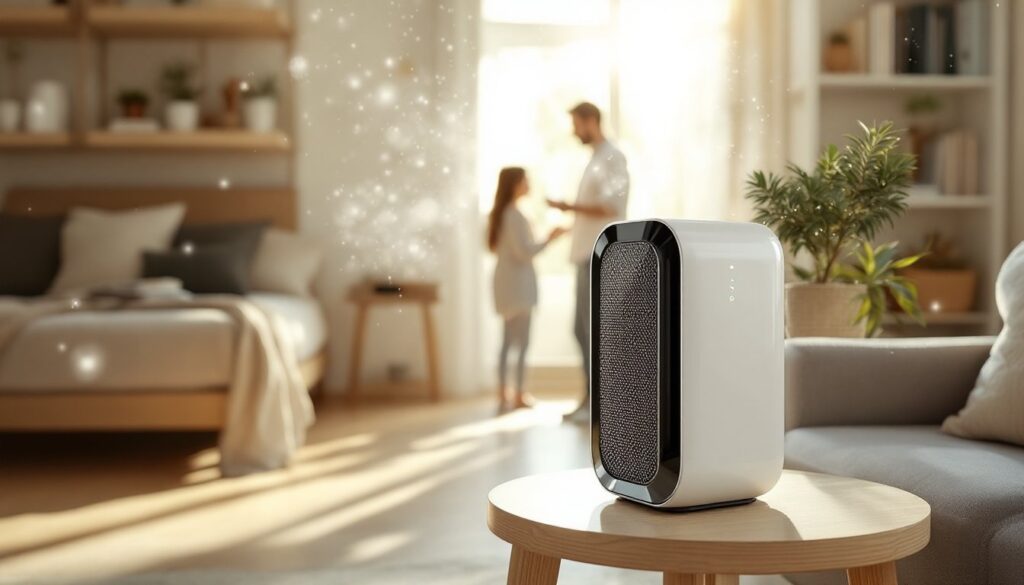
If you’ve noticed dust settling faster on shelves or noticed family members sneezing more indoors, indoor air quality might be the culprit. The Idylis air purifier has become a popular choice for homeowners looking to tackle allergens, dust, and odors without very costly. This guide walks you through what the Idylis purifier actually does, how it performs in real homes, and whether it’s the right fit for your space. We’ll skip the marketing speak and focus on practical information that’ll help you decide if this unit deserves a spot in your home.
Table of Contents
ToggleKey Takeaways
- The Idylis air purifier removes dust, allergens, and odors using a three-stage filtration system (pre-filter, HEPA, and activated charcoal) without the premium price tag of expensive brands.
- HEPA filters capture particles as small as 0.3 microns including pollen and pet dander, with a typical lifespan of 6–12 months, while charcoal filters require replacement every 3–6 months depending on usage.
- Performance is optimized in 500 to 1,500 square-foot spaces with proper placement away from walls; positioning the unit in a central hallway or bedroom corner with closed doors maximizes air quality improvement within 24–48 hours.
- Annual maintenance costs $50–$90 for filter replacements, making the Idylis air purifier an affordable solution for homeowners managing dust, pet odors, and allergy symptoms on a budget.
- Running the unit on medium speed keeps noise at 50–60 decibels during daytime operation, while high-speed mode at 70+ decibels works best for heavy allergen loads but may disturb sleep.
What Is the Idylis Air Purifier and How Does It Work?
The Idylis air purifier is a standalone unit designed to remove airborne contaminants from a room’s air. Unlike opening a window (which often adds new pollutants), an air purifier pulls in ambient air, passes it through multiple filter stages, and releases cleaned air back into the space.
Here’s the basic flow: air gets drawn in through a pre-filter that catches larger particles like pet fur and dust. That air then moves through a HEPA filter (more on this below), which traps microscopic particles. Finally, an activated charcoal layer absorbs odors and volatile organic compounds (VOCs). The motor cycles this process continuously, gradually improving air quality over several hours.
Idylis units come in different sizes, from compact tabletop models to larger floor-standing units. Costco typically carries these as their exclusive brand, so availability and model specs can vary by location and season. The appeal is straightforward: affordable pricing and effective filtration without the $500+ price tag of premium brands.
Key Features and Filtration Technology
Most Idylis air purifier models include multiple speed settings, an air quality indicator light, and a filter replacement reminder. Some newer models add smart features like Wi-Fi connectivity and app controls, though these aren’t essential for effective air cleaning.
The heart of any air purifier is its filtration system, and this is where to pay close attention.
HEPA and Activated Charcoal Filters
HEPA filters (High-Efficiency Particulate Air) are industry standard and capture particles as small as 0.3 microns, that’s pollen, mold spores, dust mites, and pet dander. True HEPA filters must meet strict certification standards: the Idylis units use genuine HEPA, not the “HEPA-type” knock-offs some budget brands peddle.
The activated charcoal filter layer handles odors, cooking smells, and chemical off-gassing from new furniture or paint. Charcoal works by adsorbing molecules (not absorbing like a sponge, the distinction matters for how it performs). This layer typically needs replacement every 3–6 months depending on usage, while the HEPA lasts longer, around 6–12 months in a typical home.
A pre-filter sits upstream and catches larger debris first, extending the life of the HEPA. Think of it as the bouncer at the door, it keeps the VIP room (your HEPA) from getting clogged too fast. This design is standard across most Idylis models and is one reason they hold up well against heavier dust loads.
Performance and Coverage Area for Your Home
The Idylis air purifier performs best in 500 to 1,500 square feet, depending on the specific model. Check the CADR rating (Clean Air Delivery Rate), this tells you how fast it removes smoke, dust, and pollen. A CADR of 250+ handles most residential spaces efficiently.
In real-world testing, homeowners report noticeable improvement in dust reduction after 24–48 hours of continuous operation on medium speed. If you have pets or severe allergies, running it on high 8–12 hours daily produces faster results. The filter life shortens with heavier use, so factor that into your maintenance budget.
Placement matters: position the unit away from walls and furniture so air can flow freely around it. Putting it in a corner or tucking it against the couch tanks performance. One bedroom corner works well for nighttime use: central hallway placement covers multiple rooms. Also, close doors to the room you’re treating, the purifier can’t clean air if it’s escaping under a gap.
Idylis units are reasonably quiet on low and medium settings, around 50–60 decibels, similar to background conversation. High speed hits 70+ decibels, which some find annoying during sleep. Many owners run it on medium during the day and low at night, balancing air quality and noise.
Setup, Maintenance, and Real-World Usage Tips
Unboxing and setup take about 10 minutes. Slide the filters into place, pre-filter goes first, then HEPA, then charcoal, and plug it in. Some models have filter locks: make sure they’re seated properly or the unit won’t seal and air will bypass the filters (defeating the purpose).
Filter replacement is the main maintenance task. Mark replacement dates on your calendar or set a phone reminder: running on expired filters is like drinking through a clogged straw, airflow drops and the motor works harder. Cost per filter set ranges from $25–$45 depending on the model, so budget $50–$90 annually if you replace both types on schedule. Recent lab-tested reviews of top air purifiers highlight the Idylis for effective allergen removal at this price point.
Cleaning the exterior and pre-filter monthly keeps the unit running smoothly. Vacuum the pre-filter gently or tap it outside, you can rinse it under water if needed. Never wash HEPA or charcoal filters: rinse water ruins their effectiveness.
For apartments or homes near traffic, running the purifier 12–16 hours daily noticeably cuts indoor pollution. If you live in a dry climate, the unit won’t add moisture (unlike a humidifier), so consider pairing it with a separate humidifier if dry air bothers your family.
Is the Idylis Air Purifier Right for Your Home?
The Idylis air purifier shines if you want effective filtration without premium pricing. It works well for allergy relief, pet odor control, and general dust reduction. Coverage area and filter costs are reasonable for most homes.
Skip it if you live in an extremely large open-concept home, you’d need multiple units or a whole-house system. It’s also not a cure-all for severe mold issues or existing moisture problems: you need proper ventilation and dehumidification for those.
Comparison shopping matters. According to rankings of best air purifiers for 2026, the Idylis competes well on value, though premium brands offer quieter motors or longer filter life. If noise is a concern or you want smart home integration, exploring connected device guides on home automation can point you toward alternatives that sync with existing systems.
Bottom line: for a mid-sized room and budget-conscious homeowners, the Idylis delivers solid performance. Renters love it because it’s portable and doesn’t require installation. If you’re willing to stay on top of filter replacements, you’ll see results in weeks.
Conclusion
The Idylis air purifier offers a practical, affordable way to improve indoor air quality. Real-world performance in standard home sizes is reliable, and maintenance is straightforward once you build the habit of filter changes. Factor in annual filter costs and run it consistently for best results. If dust, pet dander, or odors are dragging down your home’s comfort, this unit deserves serious consideration.