When it comes to mansions, the question isn’t just about opulence; it’s about space—specifically, how many bedrooms do these extravagant homes boast? Picture this: a sprawling estate with rooms so grand, even the beds have their own zip codes. Whether you’re daydreaming about hosting the world’s largest slumber party or just want a cozy nook for your collection of decorative pillows, understanding the typical bedroom count in a mansion can help you visualize your own slice of luxury.
Understanding Mansions
Understanding mansions involves recognizing their unique characteristics, particularly the number of bedrooms they contain. A mansion typically features expansive layouts and luxurious amenities.
Definition of a Mansion
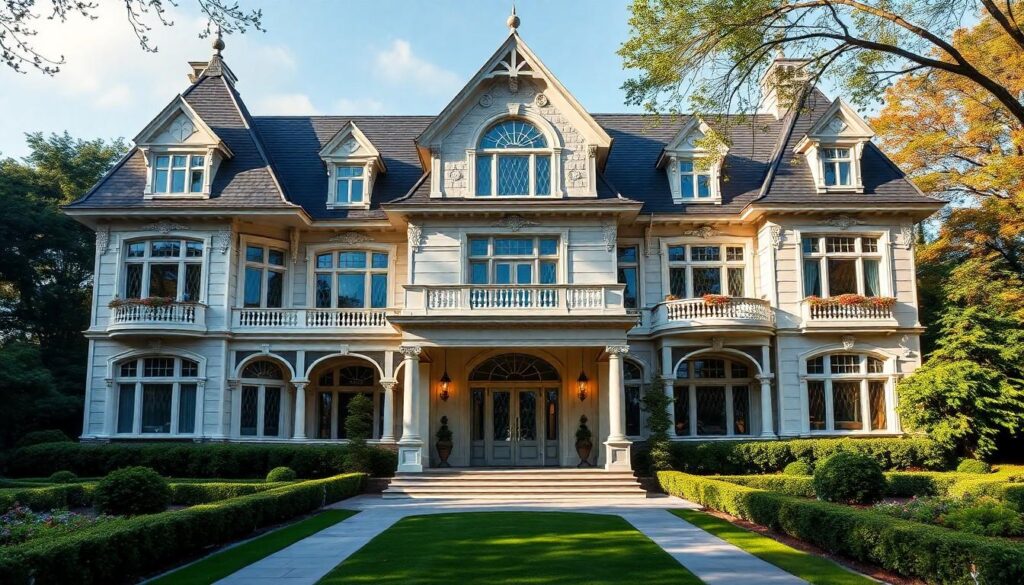
A mansion refers to a large and opulent residence, often distinguished by multiple bedrooms, sprawling grounds, and extravagant architecture. Properties often classify as mansions when they exceed 5,000 square feet, although some definitions vary. It’s common for these homes to contain at least five bedrooms, providing ample space for families and guests. Features like grand staircases, multiple living areas, and specialty rooms enhance their lavish appeal.
Historical Context of Mansions
Mansions have a rich history that dates back centuries. Originally built by wealthy individuals, these homes served as symbols of power and social status. During the 19th century, mansion design evolved, reflecting the architectural trends of the time. Various styles emerged, including Victorian and Georgian, each showcasing unique influences. Over time, mansions catered to the elite’s desire for luxury and comfort, often incorporating expansive gardens and elaborate designs. The persistence of these residences continues to symbolize affluence in modern society.
Common Features of Mansions
Mansions showcase distinct characteristics that epitomize luxury and elegance. Understanding these features enhances one’s appreciation for spacious living.
Architectural Styles
Mansions often reflect various architectural styles that capture attention. Victorian designs feature intricate details and ornate facades, conveying a sense of historical opulence. Georgian architecture emphasizes symmetry and classic lines, offering a timeless appeal. Mediterranean styles incorporate stucco exteriors and tiled roofs, enhancing the property’s charm. Modern mansions might embrace minimalist aesthetics with open floor plans and large windows that invite natural light, creating a seamless connection with the outdoors. Each style contributes uniquely to the aura of grandeur that defines mansions.
Luxury Amenities
Mansions include luxury amenities that elevate the living experience. Home theaters with state-of-the-art technology provide entertainment options for residents and guests alike. Heated swimming pools, often surrounded by lavish landscaping, serve as perfect spots for relaxation. Gourmet kitchens equipped with high-end appliances cater to culinary enthusiasts. Spa-like bathrooms featuring soaking tubs and rainfall showers enhance personal retreat spaces. Expansive outdoor areas, including patios and gardens, extend living spaces and promote outdoor entertaining. These amenities exemplify the comfort and extravagance often associated with mansion living.
How Many Bedrooms Does a Mansion Have?
Mansions typically feature numerous bedrooms, reflecting their spacious designs and luxurious appeal. The number of bedrooms commonly ranges based on various factors, including architectural style and regional norms.
Average Bedroom Count
Most mansions contain at least five bedrooms, a standard that differentiates them from smaller luxury homes. Many modern mansions boast eight to ten bedrooms, accommodating family members and guests comfortably. Some extravagant designs may include even more, showcasing the vastness of available space. For instance, a recent study highlighted that high-end properties often average between seven to twelve bedrooms, supporting the notion of ample room for luxury living.
Factors Influencing Bedroom Count
Several factors influence the bedroom count in mansions, beginning with the targeted lifestyle of the owner. Families with many children or frequent visitors prefer more bedroom space. Additionally, the intended use of the property—whether as a primary residence or a vacation home—affects the layout. Regional trends also play a role; certain areas may favor larger homes with more bedrooms, while others focus on expansive living areas and amenities. Finally, architectural styles significantly impact floor plans, leading to varying bedroom designs in different mansion aesthetics.
Variations in Mansion Sizes
Mansion sizes vary significantly based on several factors, such as location, architectural style, and personal preferences.
Small vs. Large Mansions
Small mansions often contain five to seven bedrooms, typically emphasizing cozy yet elegant environments. Larger mansions usually feature eight to ten bedrooms, allowing for grander layouts and extensive guest accommodations. Owners of smaller mansions often prioritize intimate living spaces, yet still enjoy luxury amenities. In contrast, large mansions showcase expansive designs that include multiple entertainment areas, home theaters, and expansive outdoor spaces. Luxury buyers sometimes choose between small and large options according to their lifestyle.
Regional Differences in Mansion Designs
Mansion designs reflect regional influences, showcasing unique characteristics based on local culture and climate. Coastal areas often feature Mediterranean-style mansions with open floor plans and large windows for ocean views. In contrast, mansions in northern climates may emphasize sturdier materials and architectural styles suited for colder weather. Urban settings favor sleek, modern designs that maximize vertical space, while rural locations often allow for sprawling estates. Notably, design variations align with regional trends and buyer preferences, influencing the overall size and bedroom count in mansions.
Understanding the typical bedroom count in mansions offers valuable insight into the luxury lifestyle they represent. With most mansions featuring five to ten bedrooms or more there’s ample space for both family and guests. This variety reflects not only personal preferences but also regional influences and architectural styles.
The evolution of mansions throughout history showcases how these grand homes have adapted to changing tastes while maintaining their status as symbols of wealth. Whether it’s a cozy small mansion or an expansive estate each offers a unique living experience that embodies elegance and comfort. As trends continue to evolve the allure of spacious living remains a defining characteristic of mansion life.