Step into a world where mud bricks and towering ziggurats ruled the skyline. Babylonian architecture isn’t just a relic of the past; it’s a testament to human ingenuity, creativity, and a dash of ancient ambition. Imagine strolling through streets lined with vibrant mosaics and grand palaces that could make even modern skyscrapers blush.
From the iconic Hanging Gardens—one of the Seven Wonders of the Ancient World—to the impressive Ishtar Gate, Babylonian structures tell stories of a civilization that knew how to build big and bold. With a blend of practicality and artistry, these architectural marvels laid the groundwork for future generations. So grab your hard hat and get ready to explore the fascinating world of Babylonian architecture, where every brick has a story and every structure is a piece of history waiting to be uncovered.
Overview Of Babylonian Architecture
Babylonian architecture showcases the ingenuity of ancient builders. Structures often incorporated massive brickwork, allowing them to withstand the test of time. The use of baked bricks marked a significant advancement in construction methods.
Grand temples and ziggurats served both religious and political purposes. Ziggurats, step-like structures, dominated the skyline and symbolized the connection between earth and the divine. Each tier represented a different celestial body, reflecting their belief systems.
Residential areas featured complex layouts, often built around central courtyards. Homes utilized mud bricks for insulation against extreme temperatures. Streets were typically narrow, enhancing community interaction while providing shade.
Architectural elements frequently included intricate carvings and glazed bricks. The Ishtar Gate exemplified this with its vibrant blue tiles and depictions of deities and animals. Decorative motifs highlighted the spiritual significance of various structures.
Gardens played a crucial role in Babylonian aesthetics. Constructed with terraces and water features, they emphasized harmony between nature and architecture. The Hanging Gardens, although debated in existence, represented the pinnacle of horticultural achievement within city planning.
Overall, the architectural marvels of Babylon influenced later civilizations. Techniques and styles laid foundational principles for subsequent periods in history. Modern architects often draw inspiration from these ancient structures, showcasing their lasting legacy.
Key Characteristics
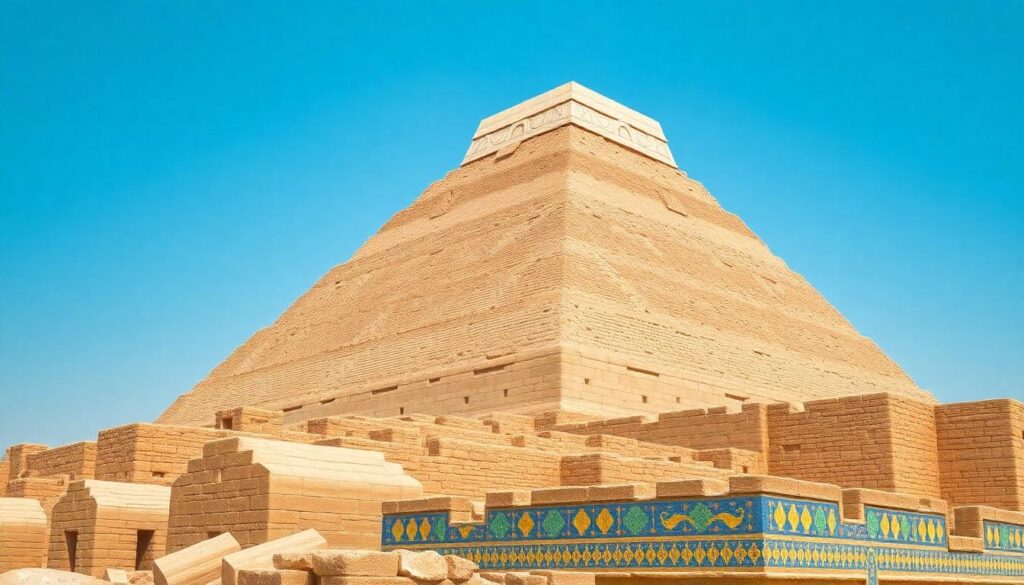
Babylonian architecture demonstrates a unique blend of innovation and functionality. Its defining features reflect the civilization’s advanced understanding of construction and aesthetics.
Use Of Materials
Brick served as the primary building material in Babylon. Baked bricks offered enhanced durability, while mud bricks were common due to their availability. The use of massive blocks allowed for sturdy structures, particularly in temples and ziggurats. Glazed bricks adorned facades, creating visually stunning surfaces that captured light beautifully. Local clay facilitated the high quality of these materials. These choices not only showcased craftsmanship but also revealed a deep connection to the surrounding environment.
Design Elements
Architects embraced symmetry and grand proportions in their designs. Ziggurats, tiered structures, symbolized the link between earth and the divine. Decorative elements included intricate carvings and reliefs that depicted mythology and rituals. The Ishtar Gate, with its vibrant blue glazed bricks and animal motifs, exemplified this artistry. Courtyards featured prominently in residential areas, promoting community interaction. Narrow streets not only guided movement but also created a sense of intimacy within urban spaces. Such design choices emphasized both aesthetic appeal and social functionality.
Notable Structures
Babylonian architecture boasts several iconic structures that exemplify its grandeur and innovative design.
The Ziggurat Of Babylon
The Ziggurat of Babylon, known as Etemenanki, served religious purposes and represented the city’s vertical connection to the divine. Constructed with immense mud bricks, it stood approximately 91 meters tall, allowing priests to ascend to the heavens. Each of its seven tiers featured a distinct color, symbolizing the stages of the divine realm. A temple sat atop, dedicated to the sun god Marduk, emphasizing the ziggurat’s significance. Its architectural style influenced later pyramid structures across different civilizations. Scholars often regard the Ziggurat of Babylon as a hallmark of ancient engineering, showcasing the expertise of Babylonian builders.
The Ishtar Gate
The Ishtar Gate remains one of the most recognized symbols of Babylonian architecture, celebrated for its vibrant blue glazed bricks. Built around 575 BCE, its entrance dazzled visitors with intricate reliefs of dragons and bulls, representing Marduk and Ishtar. Its colossal size featured a height of about 12 meters and a width of 11.6 meters, welcoming those who entered the city. Artists incorporated real and mythical creatures, enhancing the gate’s decorative appeal. Once adorned with gold accents, the Ishtar Gate formed part of the city’s defenses and provided an awe-inspiring welcome. Historians emphasize its impact on the understanding of ancient Mesopotamian culture and artistry.
Influence On Future Architecture
Babylonian architecture significantly shaped future building practices. Its innovative use of baked bricks, techniques laid groundwork for sustainable construction in later civilizations. Following Babylon’s example, the Greeks adopted brick and stone masonry. Mesopotamian ziggurats inspired similar stepped structures across cultures.
Intricate designs, such as the carvings found on the Ishtar Gate, influenced Roman and Persian architecture. The vibrant blue glazed bricks showcased a commitment to aesthetic appeal, resonating with later ornamental styles. Architects in subsequent generations incorporated these themes, valuing both form and function.
Religious structures also drew inspiration from Babylon’s ziggurats, which symbolized the connection between heaven and earth. This architectural language persisted through medieval cathedrals and Renaissance churches. Similarly, the concept of creating monumental structures to convey cultural significance can trace its roots back to Babylon.
Public spaces evolved from Babylonian layouts, particularly in urban centers. The emphasis on courtyards and communal areas laid the foundation for contemporary urban planning. Developing narrow streets framed layouts that promoted community interaction.
Key architectural features, such as arches and domes, emerged as legacies of Babylon’s inventive spirit. Architects integrated arches for support in monumental buildings, establishing a trend that persists in modern architecture. This focus on structural integrity and beauty continues to inspire designers worldwide.
Consequently, the legacy of Babylonian architecture transcends time, proving influential in shaping diverse architectural styles. Techniques and principles set forth by the Babylonians remain relevant in contemporary architectural discourse. Their achievements reveal a commitment to innovative design that echoes through history.
Preservation And Restoration Efforts
Preserving Babylonian architecture poses significant challenges. These structures have endured centuries of natural wear and destruction. Efforts focus on stabilization and restoration, particularly for vital sites like the Ziggurat of Babylon and the Ishtar Gate. Archaeologists employ advanced techniques such as 3D scanning to document and analyze these ancient wonders.
Local and international organizations collaborate on restoration projects. The Iraqi government, alongside UNESCO, supports initiatives aimed at safeguarding these historical sites. Funding often comes from various sources, including philanthropic contributions and governmental grants, which ensures ongoing preservation activities.
Restoration techniques vary based on specific needs. Use of traditional materials aligns with the goal of maintaining authenticity during repair work. Modern technology, including digital modeling, aids in reconstructing missing elements while minimizing damage to the original structures.
Educational programs raise awareness about the importance of Babylonian architecture. Workshops and seminars target local communities, engaging them in preservation efforts. Online platforms also share knowledge, reaching a broader audience interested in ancient Mesopotamian history.
The global interest in Babylonian architecture fosters research opportunities. Scholars analyze historical texts and archaeological findings to enhance understanding of construction methods. Collaborative international projects promote shared insights, ultimately benefiting preservation strategies.
Significant challenges remain, particularly due to political instability in Iraq. Ongoing conflicts and funding limitations can hinder preservation efforts. Highlighting the value of these structures encourages a united commitment to their protection, ensuring their legacy continues for future generations.
Babylonian architecture stands as a testament to the ingenuity and artistic vision of an ancient civilization. Its remarkable structures not only showcased advanced building techniques but also reflected the cultural and spiritual values of the Babylonians. The legacy of these architectural marvels continues to inspire modern designs, proving that creativity knows no bounds.
As preservation efforts gain momentum, the importance of these historical sites becomes increasingly clear. They serve as vital links to the past, offering insights into the lives and aspirations of those who came before. A commitment to safeguarding this architectural heritage ensures that future generations can appreciate and learn from the brilliance of Babylonian design.