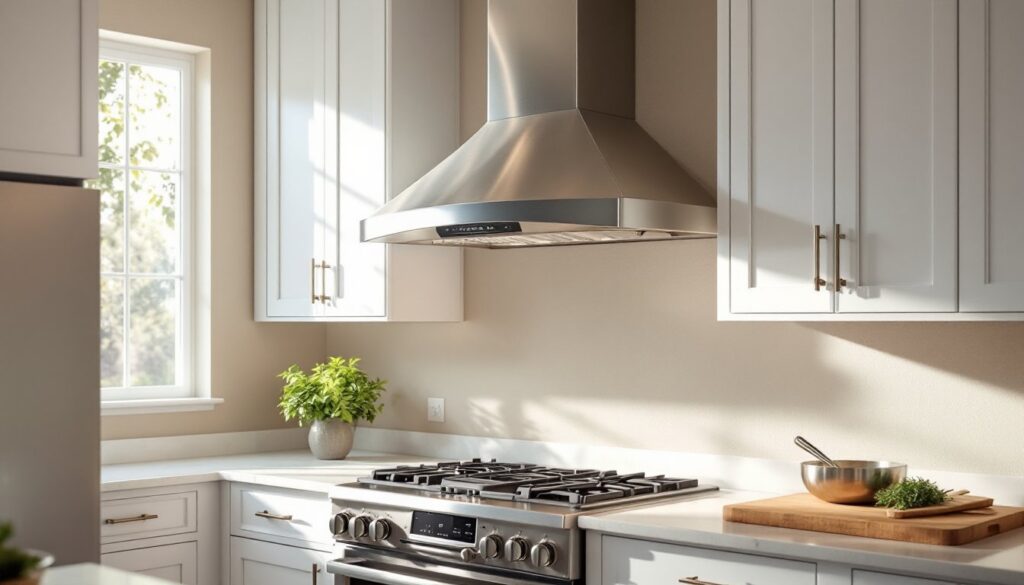
A 36″ range hood is one of the most practical investments a homeowner can make in the kitchen. If you’re tired of cooking smells lingering for hours, grease splattering onto cabinets, or steam fogging up your windows, proper ventilation solves all three problems at once. Whether you’re renovating an existing kitchen or building from scratch, selecting the right 36-inch range hood comes down to understanding what you’re shopping for. Size matters, but so do ventilation power, installation type, and your kitchen’s layout. This guide walks you through the essentials so you can make an informed choice without overthinking it.
Table of Contents
ToggleKey Takeaways
- A 36-inch range hood matches standard residential cooktops and captures cooking heat, moisture, and odors at the source, preventing them from dispersing throughout your kitchen.
- CFM (cubic feet per minute) is the most important specification—aim for 300 CFM minimum, but 400–500 CFM is recommended for better odor and smoke removal, especially in open kitchen layouts.
- Choose between ducted (vented externally for superior odor and humidity removal) or ductless (recirculating through filters) systems based on your kitchen layout and budget, noting that ducted systems are more effective.
- Under-cabinet hoods are the most popular choice for wall-mounted cooktops, while island and wall-mounted models suit different kitchen configurations and require proper ceiling or wall stud installation.
- Proper installation includes level mounting to studs, rigid metal ducting (avoiding flexible foil), and a backdraft damper, plus checking local permits before beginning work to ensure compliance and safety.
- Maintain your 36-inch range hood by cleaning or replacing filters every 1–3 months, wiping the exterior monthly, and checking ductwork annually to ensure peak performance and longevity beyond 15 years.
Why Range Hood Size Matters for Your Kitchen
A 36-inch range hood is the industry standard for most residential kitchens with a 36-inch cooktop or range. The sizing isn’t arbitrary, it’s based on ventilation coverage and efficiency. When a hood matches your cooktop width, it captures heat, moisture, and cooking odors at the source rather than letting them disperse into your kitchen.
Understanding cubic feet per minute (CFM) helps here. A 36″ range hood with the right CFM rating will pull air from the cooking surface before smoke or steam has a chance to travel. Too small, and you’re fighting an uphill battle: too large, and you risk over-ventilation or unnecessary noise and energy waste.
Your kitchen’s layout also plays a role. Island cooktops need different hood placement than wall-mounted ranges, and the distance from your hood to your cooking surface affects how well it works. A hood that’s too high won’t capture cooking vapors effectively, while one that’s too low can be a fire hazard or feel cramped.
Types of 36-Inch Range Hoods Explained
Under-Cabinet vs. Island vs. Wall-Mounted Models
Under-cabinet hoods are the most popular choice for residential kitchens. They mount directly to the underside of your cabinetry, saving space and keeping the aesthetic clean. They’re ideal when your cooktop sits against a wall and you have cabinet space above.
Island hoods hang from the ceiling and work best when your cooktop is positioned in the center of the kitchen. They’re more expensive to install because ducting must run through the ceiling joists, and they’re visually prominent. But, they provide excellent ventilation coverage and can serve as a design focal point.
Wall-mounted hoods are mounted directly to the wall behind your range. They’re straightforward to install if you have clear wall access, but they take up visual space and aren’t always the sleekest option. They work well in smaller kitchens where cabinet-mounting isn’t possible.
Ducted vs. Ductless: Which Is Right for You?
Ducted (or vented) hoods exhaust air outside through ductwork, typically through the roof or an exterior wall. This is the gold standard for ventilation because it removes cooking odors and moisture from your home entirely. Ducted systems are more effective and preferred by serious cooks, but they require proper ductwork installation, which may mean hiring a contractor and potentially a permit.
Ductless (or recirculating) hoods filter the air through charcoal or mesh filters and push it back into your kitchen. They’re cheaper to install because no external venting is needed, making them ideal for rentals or apartments. The trade-off: they don’t remove humidity as effectively, filters need frequent replacement, and some homeowners find them less powerful. If your kitchen has no practical way to route ductwork, a ductless model beats nothing, but a ducted system is superior if you can make it work.
How to Choose the Right 36-Inch Range Hood for Your Kitchen
CFM and Ventilation Power Considerations
CFM (cubic feet per minute) is your primary spec to focus on. The National Kitchen and Bath Association recommends a minimum of 100 CFM per 12 inches of cooktop width. For a 36-inch range hood, that translates to roughly 300 CFM as a baseline. But, many experts suggest going higher, 400 to 500 CFM, for better odor and smoke removal, especially if your kitchen is open to adjoining rooms.
Island installations typically require higher CFM ratings because heat and steam dissipate faster when the hood isn’t against a wall. If you cook frequently, entertain often, or prefer bold flavors that generate smoke, lean toward the higher end of the CFM spectrum.
Also consider noise levels, measured in decibels (dB). Most quality hoods operate between 60 and 80 dB at full speed. Anything above 80 dB can be annoying during meals. When comparing models, ask about noise ratings at different fan speeds, some hoods are quiet at medium settings but louder at maximum.
Material and finish matter too. Stainless steel resists fingerprints and matches modern appliances, but it requires regular wiping to stay pristine. Painted or powder-coated finishes hide smudges better and often cost less. Ducting material also varies, aluminum is lighter but less durable, while galvanized steel or stainless steel ducts last longer and resist rust better.
Don’t overlook filter maintenance. Baffle filters (those curved metal panels) are easier to clean and more effective than mesh filters at trapping grease. Some premium hoods feature dishwasher-safe filters, which is a genuine convenience factor worth paying extra for.
Installation Tips and Best Practices
Before you buy, verify that your kitchen can accommodate a 36-inch range hood. Measure your cooktop width, the height of cabinets above it (if wall-mounting), and the distance to exterior walls or the roof (for ducting). If you’re converting from an old hood to a new one, you may already have electrical wiring and ducting in place, which simplifies the upgrade.
Installation methods vary by type. Under-cabinet hoods usually bolt directly to the cabinet frame, a straightforward job if you’re handy with a drill and level. Island hoods require ceiling-mounted hardware and often need reinforcement in the joists to handle the weight. Wall-mounted models bracket directly to the wall studs. All three types demand accurate leveling and proper fastening to studs, not just drywall.
Ducting is where most DIYers run into trouble. Professional-grade ducting uses rigid metal pipes (typically 6- or 8-inch diameter) rather than flexible foil ducts, which trap grease and reduce airflow. The duct run should be as short and straight as possible, every 90-degree bend reduces efficiency by roughly 20%. Install a damper (also called a backdraft damper) where the duct exits your home to prevent outdoor air from flowing back in.
Electrical work depends on your hood’s power requirement. Some plug directly into a standard outlet: others require dedicated hardwired circuits. If you’re not comfortable working with 240-volt circuits or don’t have an available outlet, call a licensed electrician. Improper wiring creates fire hazards and voids warranties.
Permits matter, too. Many jurisdictions require permits for range hood installation if you’re modifying ductwork or adding electrical circuits. Check with your local building department before starting. If structural changes are needed or if you’re running ductwork through walls or the roof, hiring a professional contractor often makes sense, not just for compliance, but for proper installation that lasts.
Resource like Family Handyman’s range hood installation guide provide step-by-step walkthroughs for DIYers tackling their own hoods. For design inspiration and kitchen layout ideas, The Kitchn offers thoughtful perspectives on kitchen appliances and spatial planning. If you’re considering a full kitchen redesign with your new hood, Homedit’s home design resources showcase modern kitchen solutions and hood styles that complement contemporary design.
Once installed, keep your hood running smoothly with basic maintenance. Clean or replace filters every 1 to 3 months depending on cooking frequency. Wipe down the exterior monthly to prevent grease buildup. Check ductwork annually for blockages, especially if you notice reduced suction. A well-maintained 36-inch range hood will work effectively for 15+ years.