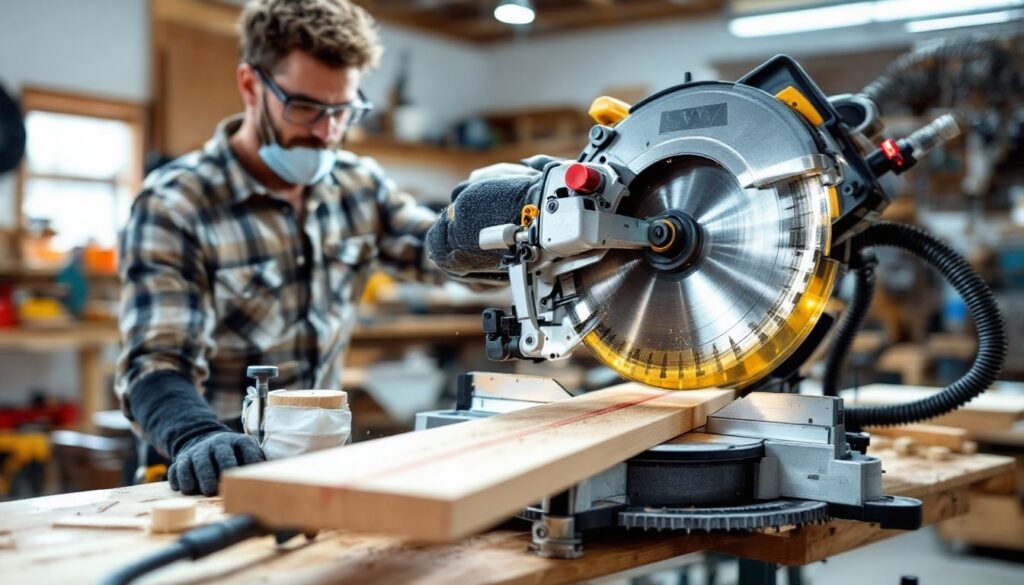
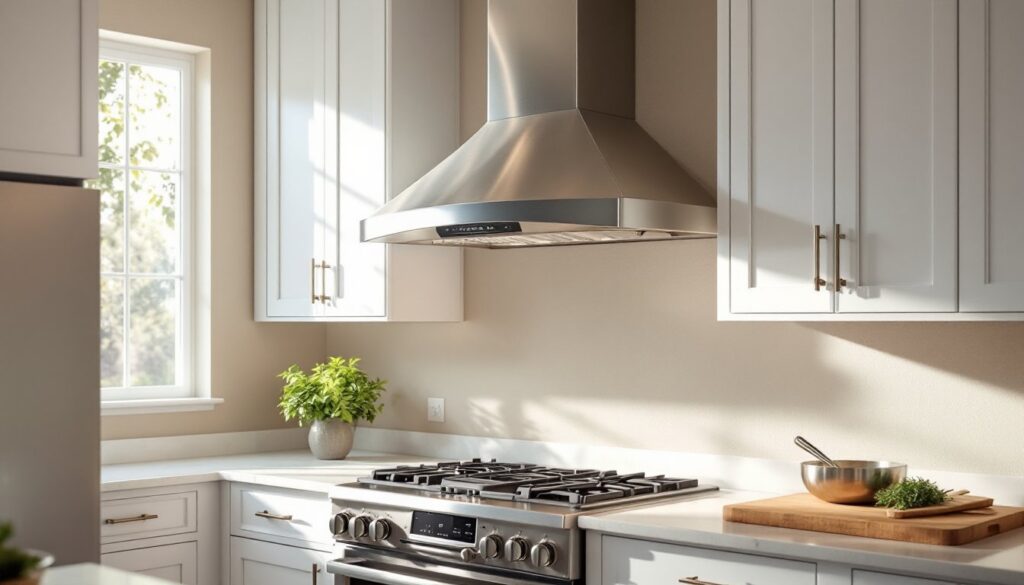
If you’re planning a kitchen renovation or just tired of cramped, poorly organized storage, modular kitchen cabinets offer a practical pathway forward. Unlike custom cabinetry that requires months of lead time and a hefty price tag, modular cabinet systems let you build exactly what you need, when you need it. Whether you’re working with a tight galley kitchen or a sprawling open concept, modular cabinets adapt to your space, your budget, and your timeline. This guide walks you through what they are, why they’ve become the go-to choice for homeowners and DIY enthusiasts, and how to plan a project that actually works for your home.
Table of Contents
ToggleKey Takeaways
- Modular kitchen cabinets cost 30–50% less than custom cabinetry and install in weeks rather than months, making them an affordable kitchen renovation solution.
- These pre-manufactured systems come in standard widths and depths that you mix and match to fit your space, offering flexibility to adapt to any kitchen layout without requiring custom on-site cuts.
- Installing modular kitchen cabinets is a manageable DIY project that requires basic tools like a drill, level, and stud finder, saving thousands in professional labor costs.
- Accurate measurement and planning are critical—sketch your kitchen perimeter, note appliance locations and utilities, and measure at multiple heights to catch uneven walls early.
- Quality modular systems feature solid construction, dovetailed drawers, and soft-close hinges while sitting between flimsy flat-pack furniture and expensive bespoke built-ins.
- Allow cabinets to acclimate to your kitchen for 24–48 hours before installation to prevent warping, and allocate 1–2 days for installation of a basic 10-foot kitchen.
What Are Modular Kitchen Cabinets and Why They Matter
Modular kitchen cabinets are pre-manufactured cabinet units, base units, wall units, and tall cabinets, that come in standard widths (typically 12 inches, 15 inches, 18 inches, and wider) and depths. You mix and match these modules to fit your layout, then install them in sequence along your walls. Unlike custom cabinetry built on-site to exact dimensions, modular systems rely on standardized components: stiles, panels, shelves, and hardware that fit together like puzzle pieces.
Why does this matter? Cost and speed. A modular cabinet system from a home center or online supplier costs 30–50% less than custom work and arrives ready to install in weeks, not months. You’re paying for manufacturing efficiency, not the overhead of a cabinetmaker’s shop. More importantly, if a drawer glides out in two years or you decide to add a spice rack, you can order replacement or add-on modules without replacing your entire kitchen.
Modular cabinets also sit in the middle ground between pre-assembled flat-pack furniture (which can feel flimsy) and bespoke built-ins. Quality manufacturers offer solid construction, real plywood or hardwood sides, dovetailed drawers, soft-close hinges, at a price that won’t require a second mortgage. They’re also more forgiving if your walls aren’t perfectly straight, since you adjust cabinet feet and shim gaps with trim rather than relying on precise on-site cuts.
Key Advantages of Choosing Modular Cabinet Systems
Flexibility and Customization for Any Kitchen Layout
One of the biggest draws is the ability to customize without compromise. If your kitchen is 42 inches wide, you can combine a 24-inch base cabinet, an 18-inch cabinet, and a filler strip to fit perfectly. Need a blind corner cabinet with a rotating shelf to access awkward space? That’s a standard module. Want open shelving above your island? Mix solid base units below with wall-mounted open shelves above. The toolkit is deep: spice racks, trash pullouts, wine racks, and drawer dividers all slot into standard cabinet widths and depths.
This flexibility is especially valuable if you’re working around existing appliances, doorways, or structural columns. Rather than forcing your kitchen into a one-size-fits-all layout, modular cabinets bend to your space. You sketch your kitchen’s perimeter, measure twice (really, measure twice), and pick modules that fit your footprint and your workflow.
Cost-Effective and Easy Installation
Installing modular cabinets is a manageable DIY project if you’re comfortable with basic tools and can follow a level. A typical installation involves mounting a ledger line (a chalk line marking where wall cabinets hang), securing the first cabinet to the wall studs with 3-inch wood screws, then attaching the rest in sequence. You’ll need a cordless drill, a level, a tape measure, a stud finder, and ideally a second pair of hands to hold cabinets steady while you fasten them.
The labor savings are real. Hiring a cabinet installer runs $1,500–$3,500 for a modest kitchen: doing it yourself caps costs at tool rental if you don’t own equipment. Because modules ship flat-pack or partially assembled, shipping costs stay lower than with custom cabinetry. Most suppliers offer shipping discounts for orders over a certain dollar amount, and delivery times are predictable, usually 2–4 weeks from order to your driveway.
One caveat: if your kitchen layout requires loads of custom cutting, trim work, or fitting around intricate architectural details, you’ll spend hours on-site. Modular works best when your space is fairly standard or when you can design around the modules’ standard dimensions rather than fighting against them.
Planning Your Modular Kitchen Cabinet Project
Start with an accurate floor plan. Measure your kitchen walls, doorways, windows, appliance cutouts, and ceiling height. Note where utilities (outlets, vents, plumbing) penetrate the walls, these affect cabinet placement. If you’re replacing existing cabinets, take measurements at three heights (base, middle, upper wall) to catch any out-of-square walls early.
Next, choose your supplier and cabinet style. Mid-range options like The Kitchn showcase kitchen layouts and design ideas that can guide your selection. Big-box retailers (Home Depot, Lowe’s) stock basic modular systems in a few styles and finishes: specialty suppliers offer more finish choices and drawer hardware options. Budget roughly $3,000–$8,000 for a basic 10-foot run of base and wall cabinets with simple finishes: high-end modular can run more if you add premium hardware or specialty modules like soft-close everything.
When ordering, confirm door style, finish color, and hardware specs. Cabinet finishes range from painted MDF (medium-density fiberboard, affordable, durable, smooth) to real veneer over plywood (warmer, more authentic look) to solid hardwood (costly but beautiful). Hardware, knobs and pulls, makes a surprising difference in perceived quality and should match your kitchen’s overall aesthetic.
Before installation day, acclimate your cabinets to your kitchen for 24–48 hours. Cabinet components absorb moisture: letting them sit in your space prevents warping and door misalignment after install. Clear your kitchen or at least cordon off your work area: installation typically takes 1–2 days for a basic 10-foot kitchen.
For more detailed build strategies and project planning, DIY kitchen cabinet plans provide structured approaches if you’re building modular units from scratch. Also, woodworking project resources offer practical assembly guidance and tool recommendations that apply whether you’re assembling pre-made units or building custom modules.
Conclusion
Modular kitchen cabinets strike a balance between cost, customization, and installation ease that makes sense for most homeowners tackling a kitchen refresh. They’re not custom-built cabinetry, but they’re far more adaptable and affordable than the alternative. With careful measurement, a clear design plan, and basic DIY skills, you can install a modular system that functions beautifully for years. If your kitchen is a standard layout and you’re patient with planning, modular cabinets deliver professional results without the professional price tag.