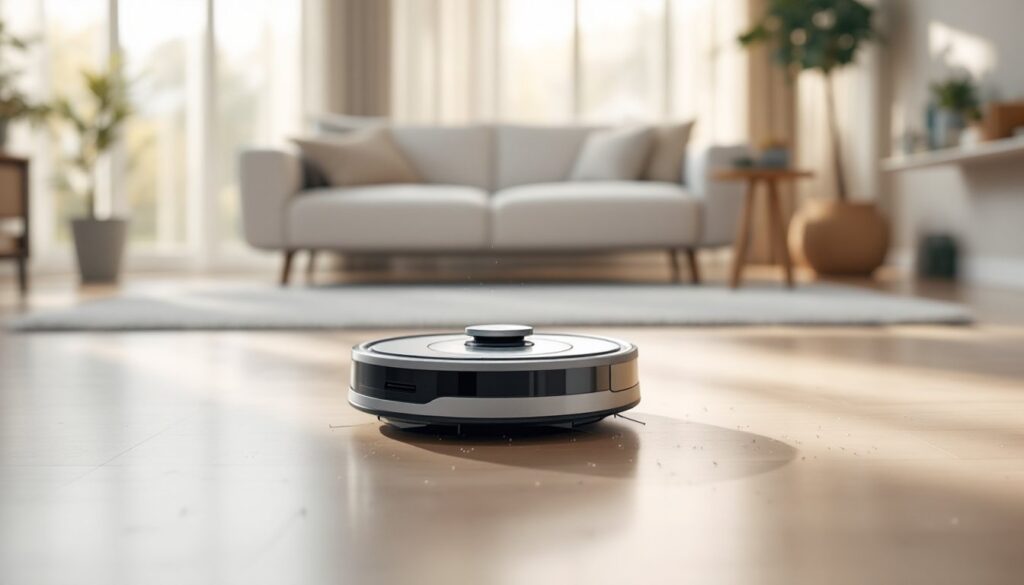
If you’re tired of pushing a vacuum around your home every week, a robot vacuum might be the smart cleaning solution you’ve been looking for. The Lefant robot vacuum has gained attention in the crowded robot vacuum market for its balance of affordability and practical features. But is it actually worth the investment for your specific home setup? Before you order one, it’s worth understanding what Lefant brings to the table, and where it might fall short. This review breaks down the real capabilities, limitations, and scenarios where a Lefant robot vacuum makes sense for homeowners considering stepping into automated cleaning.
Table of Contents
ToggleKey Takeaways
- A Lefant robot vacuum balances affordability with practical cleaning features, making it ideal for budget-conscious homeowners on moderate-sized homes with straightforward layouts.
- The Lefant uses grid-based navigation rather than premium LIDAR mapping, which works well for open floor plans but takes longer in homes with obstacles and irregular room shapes.
- With 2000–3000 Pa of suction power, a Lefant robot vacuum performs reliably on hard floors and low-pile carpet but struggles with thick carpets and heavy pet shedding.
- A Lefant is best suited for homes under 2,500 square feet with primarily hard floors, light to moderate pet shedding, and your prioritization of budget-friendly automation over premium features.
- This robot vacuum excels at maintenance cleaning between deeper manual vacuuming sessions rather than serving as a complete replacement for traditional vacuums.
- Consider external factors like noise levels (65–70 decibels) and battery life (90–120 minutes) when determining if a Lefant robot vacuum fits your specific home needs and lifestyle.
What Makes Lefant Robot Vacuums Stand Out
Lefant has carved out a niche in the robot vacuum space by focusing on simplicity and value rather than chasing every trend. The brand emphasizes straightforward navigation, reliable suction, and an app-based interface that doesn’t require a mechanical engineering degree to understand.
Unlike premium brands that bundle expensive extras you may never use, Lefant strips away complexity while keeping the core features homeowners actually care about: consistent cleaning performance, manageable noise levels, and a reasonable footprint under furniture. The entry-level positioning matters here, Lefant targets the homeowner who wants cleaning automation without paying flagship prices.
The durability story is important too. While Lefant robot vacuum reviews often highlight good longevity for the price tier, the brand’s customer service responsiveness and spare parts availability have become selling points. You can find replacement brushes, filters, and wheels without hunting through obscure marketplaces. That practical support structure influences long-term satisfaction more than most marketing ever captures.
The honest truth: Lefant vacuums won’t clean quite as aggressively as a $2,000+ premium model, nor will they map your entire home with 3D visualization. But for a typical single-level home or apartment with standard flooring, the tradeoff between performance and price leans favorably for many owners.
Key Features and Performance Capabilities
Smart Navigation and Mapping Technology
Most Lefant models use a grid-based navigation system combined with bump sensors rather than premium LIDAR (light detection and ranging) mapping. That means the vacuum creates its cleaning pattern by moving systematically across the room and adjusting when it hits obstacles, similar to how an older roomba operates.
This approach works fine for open floor plans and predictable layouts, but it stumbles in homes with numerous obstacles, tight corners, or irregular room shapes. The vacuum will eventually cover these areas, but it takes longer than a model with true mapping. Digital Trends has covered, and navigation precision directly impacts your experience.
The app interface lets you schedule cleaning sessions and receive notifications, though it lacks some of the granular controls found in pricier competitors. You can’t typically select specific rooms to clean or create virtual barriers within the app on entry-level Lefant models. For most users, this limitation doesn’t matter, they just want the vacuum to run while they’re away.
Suction Power and Cleaning Efficiency
Leftant models typically offer 2000–3000 Pa (pascals) of suction power, which falls into the mid-range category. That translates to reliable performance on hard floors and low-pile carpet, picking up dust, pet hair, and typical household debris effectively.
Where suction becomes a real limiting factor: high-pile carpet, thick rugs, and homes with multiple pets. If you have German Shepherds shedding constantly or deep shag carpeting throughout, a Lefant will work harder and take longer to achieve the same cleanliness as a high-suction model. The dustbin capacity on most Lefant vacuums sits around 600 ml (roughly 20 ounces), which requires emptying roughly every 1–2 weeks in an average home, more frequently if you have pets.
Battery life typically ranges from 90 to 120 minutes depending on the specific model and floor type. For homes larger than 2,500 square feet on a single level, the vacuum may need multiple charging cycles to complete a full clean. The auto-return-to-dock feature helps here, the vacuum heads back to charge and can resume cleaning, though it’s inefficient compared to simply running it all at once. CNET’s comprehensive product testing shows how battery and suction performance stack up across the market, and Lefant scores respectably in the mid-price segment.
Is a Lefant Robot Vacuum Right for Your Home?
Consider a Lefant vacuum if you have the following setup:
- Floor type: Primarily hard floors, tile, or low-pile carpet
- Home size: Under 2,500 square feet, ideally one level
- Obstacles: Relatively open floor plan without excessive furniture, clutter, or tight corners
- Pet situation: Light to moderate shedding, not heavy-shedding breeds
- Priorities: Budget-friendly automation over premium features
A Lefant probably isn’t the best fit if:
- Your home has multiple levels (you’d need separate units)
- Thick carpets, rugs, or high-pile surfaces dominate
- You have multiple large pets or severe allergies requiring deep cleaning
- Precise room-by-room control matters for your routine
- Noise sensitivity is critical (the vacuum runs at about 65–70 decibels, moderate for the category)
The real question comes down to honest assessment of your expectations. A Lefant robot vacuum reviews consistently praise for doing the maintenance cleaning, keeping floors reasonably clean between deeper manual vacuuming sessions. It’s not a replacement for a full-featured upright or canister vacuum: think of it as your helper that handles the routine work so you can focus on detail work when needed.
The noise factor matters more than marketing suggests. While 65–70 decibels isn’t deafening, you’ll notice it running, and some models have a slight electronic whir that bothers light sleepers. Running it on a schedule while you’re away sidesteps this issue for many homeowners. The Spruce offers comprehensive cleaning strategies that show how robot vacuums fit into an overall home maintenance routine.
Budget is the practical deciding factor. If you’re genuinely choosing between nothing and a Lefant, the vacuum delivers real value. If you’re comparing a Lefant to a $500 upright model, the upright wins on raw performance, but the robot vacuum wins on convenience for maintenance cleaning.
Conclusion
A Lefant robot vacuum makes practical sense for homeowners seeking affordable automation on moderate-sized homes with straightforward layouts. It won’t outperform premium competitors, but it delivers honest cleaning capability at an honest price. The key is matching expectations to your specific home situation, don’t expect miracles on thick carpet or in cluttered spaces, but do expect reliable maintenance cleaning on hard floors and open areas. If this scenario fits your home, a Lefant is worth serious consideration.