Parisian architecture isn’t just a feast for the eyes; it’s a love letter to history, style, and a dash of French flair. From the iconic Eiffel Tower that seems to flirt with the sky to the charming Haussmannian buildings that line the boulevards, every corner of Paris tells a story. It’s like walking through a living museum, where each structure whispers secrets of the past while inviting you to indulge in the present.
Imagine sipping a café au lait on a terrace, surrounded by stunning facades that have stood the test of time. Parisian architecture captivates not just the architects and historians but anyone who’s ever dreamed of strolling down the Seine. So buckle up, because this journey through the City of Light’s architectural wonders promises to be as enchanting as a midnight stroll under the stars.
Overview of Parisian Architecture
Parisian architecture showcases a blend of historical significance and elegant aesthetics. Iconic landmarks like the Eiffel Tower stand as symbols of innovation and artistry. Haussmannian buildings, characterized by their cream-colored stone façades and wrought-iron balconies, define the city’s skyline. The construction of these structures transformed Paris in the 19th century, giving it a cohesive urban environment.
Gothic cathedrals, such as Notre-Dame, exhibit intricate detailing and soaring spires. They reflect the city’s medieval roots and architectural prowess. Baroque influences emerge in structures like the Palais Garnier, known for its opulent interiors and grand façade. These styles highlight the diverse architectural language that flourishes in Paris.
Modern designs also find their place amidst historic buildings. Noteworthy examples include the Centre Pompidou and the Fondation Louis Vuitton, both embracing contemporary forms and materials. This fusion of old and new creates an architectural dialogue that enriches the urban experience.
The city’s layout, featuring broad boulevards and public squares, promotes exploration. Each corner reveals a story, inviting pedestrians to immerse themselves in Paris’s architectural splendor. Public amenities, such as parks and gardens, enhance the urban fabric, providing green spaces in this bustling metropolis.
Cafés dotted throughout the streets enable relaxation and observation of the stunning surroundings. Dining al fresco amidst historical architecture offers a unique experience. Enthusiasts and dreamers alike find inspiration in the city’s architectural marvels, making Paris a vibrant canvas for both art and life.
Historical Influences
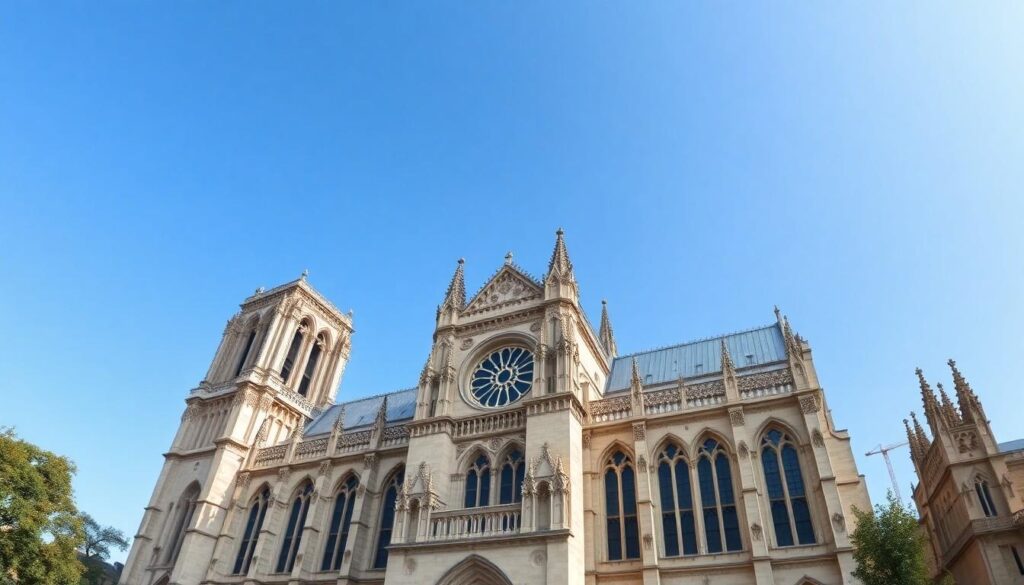
Parisian architecture reflects a tapestry of historical influences that shape its unique character. Styles blend in a harmonious way, showcasing the city’s rich past.
Gothic Architecture
Gothic architecture marks a significant period in Parisian design, primarily from the 12th to the 16th centuries. Notre-Dame Cathedral stands as a quintessential example, renowned for its flying buttresses, pointed arches, and intricate sculptures. Light filters through stunning stained glass, enhancing the ethereal atmosphere inside. This architectural style symbolizes medieval spirituality and community pride, leaving an indelible mark on the city’s skyline. Many cathedrals across France demonstrate similar features, yet Paris’s examples remain unparalleled in scale and artistry.
Haussmannian Style
Haussmannian style emerged during the mid-19th century under Baron Haussmann’s renovation of Paris. Uniformity and elegance characterize this architectural movement, primarily seen in the wide boulevards and apartment buildings that define the city today. Classic features include cream-colored stone facades, wrought-iron balconies, and large windows that flood interiors with light. This style aimed to improve urban living conditions while adding beauty to the landscape. Iconic examples such as Boulevard Haussmann highlight the seamless integration of aesthetics and functionality, influencing cities worldwide.
Notable Landmarks
Paris features numerous landmarks that reflect its architectural heritage and cultural significance. Visitors often seek out these iconic structures to gain a deeper appreciation of the city.
The Eiffel Tower
Constructed in 1889, the Eiffel Tower remains one of the most recognizable symbols of Paris. Designed by Gustave Eiffel for the Exposition Universelle, it stands at 1,083 feet tall. Visitors can ascend the tower to enjoy breathtaking views of the cityscape. The wrought-iron lattice structure showcases innovative engineering of its time. An enduring example of architectural elegance, the Eiffel Tower attracts millions of tourists annually. Its stunning illumination at night transforms it into a captivating centerpiece of the Parisian skyline.
The Louvre Museum
Home to thousands of works of art, the Louvre Museum ranks as one of the largest and most visited museums worldwide. Originally a royal palace, its transformation into a public museum occurred in 1793. The glass pyramid entrance, designed by I.M. Pei, presents a striking contrast to the historic architecture surrounding it. Inside, masterpieces such as the Mona Lisa and the Venus de Milo draw art enthusiasts from across the globe. The Louvre not only celebrates artistic achievement but also serves as a testament to France’s rich history. Each visit reveals layers of culture embedded within its walls.
Modern Trends in Parisian Architecture
Parisian architecture embraces modern trends that focus on sustainability and innovation. Current movements reflect a commitment to environmental responsibility and creativity.
Sustainable Design
Sustainable design plays a crucial role in contemporary Parisian architecture. Architects incorporate eco-friendly materials and energy-efficient technologies, minimizing environmental impact. Green roofs and solar panels frequently adorn new buildings, promoting energy conservation. An example is the Cité de la Mode et du Design, which features a green façade that harmonizes with the Seine River. Community spaces often integrate urban gardens, enhancing biodiversity while providing locals with fresh produce. This approach fosters a healthier urban environment and supports ecological balance.
Innovative Structures
Innovative structures redefine the skyline of Paris. Architectural firms experiment with bold designs and unconventional forms, pushing the boundaries of traditional styles. The Fondation Louis Vuitton serves as a remarkable case, showcasing a glass structure resembling a sailboat. Such designs not only captivate but also invite interaction and engagement from the public. In addition, the emergence of mixed-use developments addresses the balance between residential, commercial, and recreational needs, exemplified by the Les Halles project. These dynamic spaces cultivate community interaction while adapting to the evolving needs of urban life.
The Cultural Impact of Parisian Architecture
Parisian architecture exerts a profound influence on culture and identity, shaping the lives of its residents and visitors. Historic structures like Notre-Dame Cathedral resonate with spiritual significance, reflecting the city’s rich medieval heritage. Artistic expressions also flourish in public spaces, where architecture engages the senses and invites exploration.
Iconic landmarks, such as the Eiffel Tower and the Louvre Museum, symbolize not just elegance but also innovation. The Eiffel Tower’s intricate design captures the essence of the Industrial Age, while the Louvre’s glass pyramid entrance blends modernity with tradition. Visitors experience history and artistry in tandem within these architectural marvels.
Architectural styles contribute to the city’s aesthetic experience. The Haussmannian style, with its uniformity, defines Parisian neighborhoods through charming streetscapes. Tourists enjoy leisurely strolls along the broad boulevards, immersing themselves in the visual narrative that unfolds at every turn.
Every architectural element tells a story, from the grandeur of the Palais Garnier to the minimalistic lines of the Centre Pompidou. Such diversity enhances cultural dialogue, encouraging discussions around art, history, and urban planning. Parks and gardens offer respite, creating intimate spaces where architecture complements nature.
Sustainability increasingly shapes contemporary designs, with projects like the Cité de la Mode et du Design exemplifying eco-conscious innovation. User-friendly environments, represented by mixed-use developments such as Les Halles, cater to the evolving urban lifestyle. These initiatives elevate community interaction and establish stronger connections among residents.
Paris, as an architectural canvas, influences artistic movements and sparks inspiration. The city’s structures embody narratives that resonate across time, showcasing how architecture serves as both cultural identity and artistic celebration.
Parisian architecture is more than just a visual feast; it’s a narrative woven through centuries of history and innovation. Each building contributes to the city’s unique character, reflecting its past while embracing the future. The blend of styles—from Gothic to modern—creates a dynamic urban landscape that captivates both locals and visitors alike.
As one strolls through the streets of Paris, the architectural diversity invites exploration and appreciation. It’s a city where every corner reveals a story and every structure holds a piece of cultural heritage. This architectural tapestry not only enhances the beauty of Paris but also enriches the experiences of those who come to admire it.